
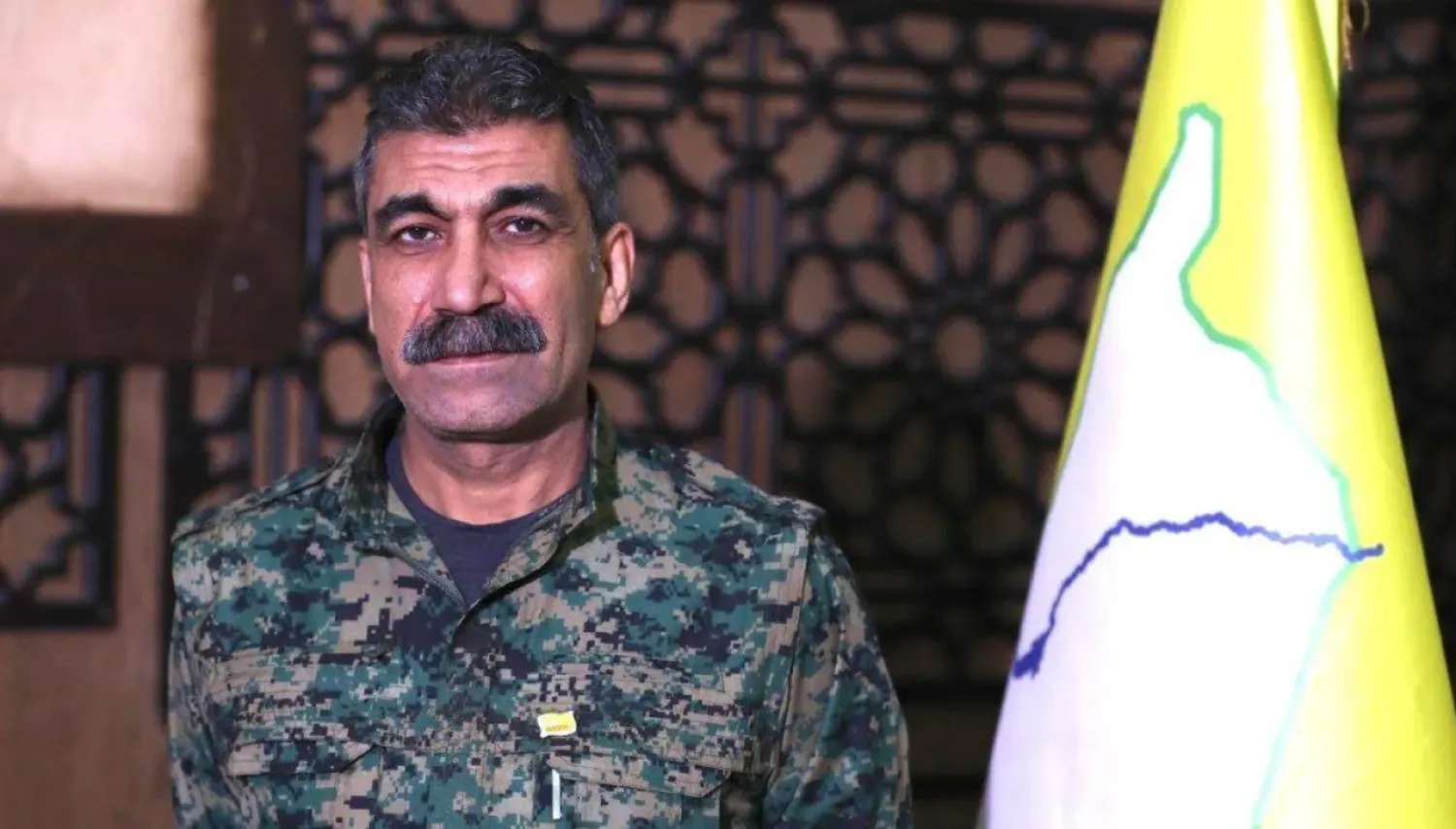
Sipan Hamo is a prominent Syrian Kurdish military commander who, in March 2026, assumed the post of Deputy Minister of Defense for the Eastern Region. His appointment represents a pivotal milestone in the historic process of integrating the Syrian Democratic Forces (SDF) into the institutions of the Syrian state following the political transition in Damascus. Over more than three decades, Hamo’s career has mirrored the shifting alliances, conflicts, and geopolitical complexities that have shaped modern Syria.
Origins and Early Militancy
Born Samir Aso in Afrin, Hamo began his political and military trajectory in 1994 when he joined the Kurdistan Workers’ Party (PKK). He spent his formative years in the PKK’s military structure, receiving training in the group’s camps in the Qandil Mountains of northern Iraq. During this period, he used several noms de guerre, including “Darwish Afrin” and “Swar,” before adopting the name Sipan Hamo. His long association with the PKK has remained a central point of contention, particularly for Turkey, which designates the PKK as a terrorist organization.
Founding the YPG and Ascendancy within the SDF
With the outbreak of the Syrian uprising in 2011, Hamo returned to Syria and became one of the principal founders of the People’s Protection Units (YPG). He rose to the position of Commander-in-Chief, overseeing the group’s evolution from a localized militia into a disciplined and effective fighting force.
When the YPG became the backbone of the US-supported Syrian Democratic Forces (SDF) in 2015, Hamo secured a seat on the SDF General Command. He gained international recognition for his leadership in the campaign against ISIS, particularly during the decisive Battle of Kobani (2014–2015). Following the collapse of the ISIS caliphate, forces under his command expanded their control across much of Syria’s northeast, including large areas of Hassakeh, Raqqa, and Deir ez-Zor.
Controversies and Human Rights Allegations
Hamo’s rise was accompanied by significant controversy. Human rights organizations, including Human Rights Watch, documented allegations against the YPG during its territorial expansion. These reports cited forced displacement of Arab and Turkmen residents in areas such as Tell Abyad, the destruction of homes and villages, and the recruitment of minors. As the most senior military figure in the YPG and later the SDF, Hamo became the public face of the command structure during these contentious years.
In 2018, he suffered a major setback when Turkish-backed forces captured his hometown of Afrin during Operation Olive Branch.
Negotiator and Architect of Integration with Damascus
After the fall of the Assad regime in late 2024, Hamo shifted from battlefield leadership to political negotiation. Representing the SDF, he played a central role in talks with the new transitional government led by President Ahmed al-Sharaa. In a widely noted interview in January 2026, he affirmed the Kurdish movement’s commitment to a unified Syrian state and stated that the Kurds were “not seeking secession.”
These negotiations culminated in the January 29, 2026 integration agreement, which laid the foundation for incorporating SDF forces into the national army. Hamo’s appointment on March 10, 2026, as Deputy Minister of Defense for the Eastern Region was a direct outcome of this process.
Current Role and Political Significance
As Deputy Minister for the Eastern Region, Hamo oversees defense affairs in the Jazira region and supervises the integration of former SDF fighters into the Syrian Arab Army. The SDF has described his appointment as a step toward “strengthening national cooperation at the highest levels of military command.”
Hamo’s journey—from a young PKK recruit in the mountains of Qandil to a senior official in Damascus—has made him one of the most consequential and polarizing figures in contemporary Syrian history. His trajectory encapsulates the broader story of Syria’s conflict, its shifting alliances, and the ongoing attempt to forge a new political and military order.