
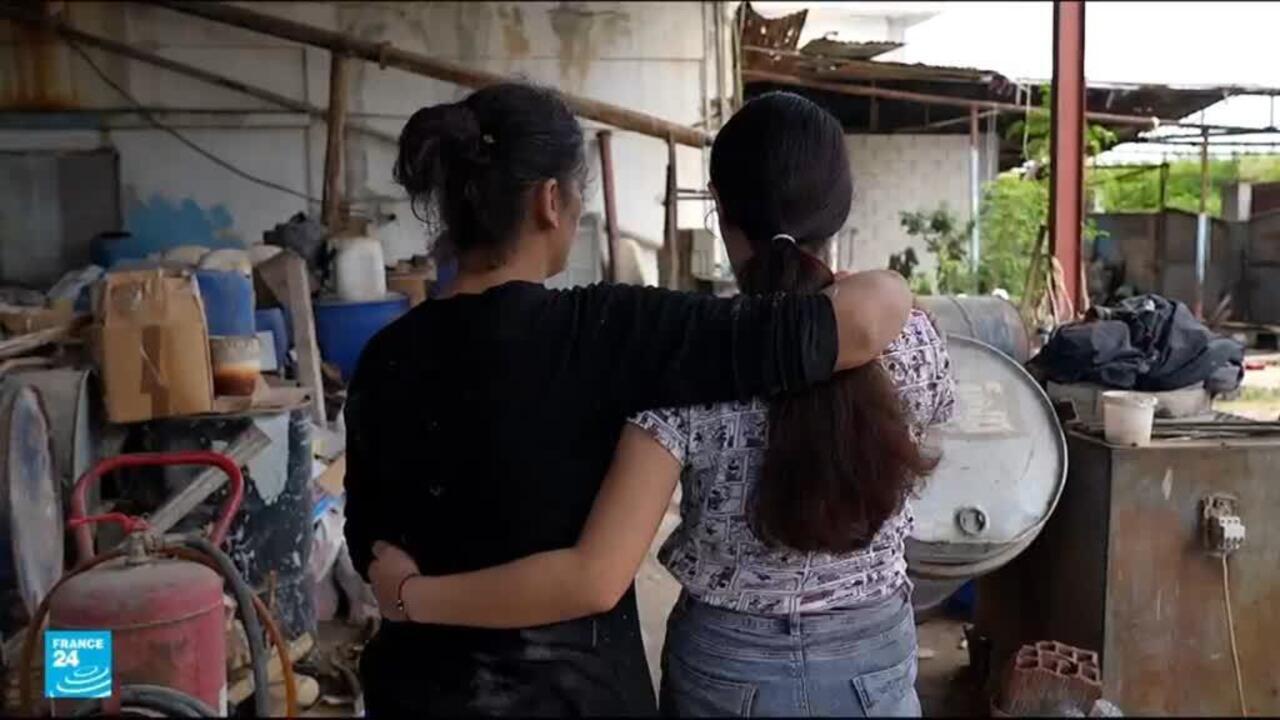
Amid ongoing turmoil in Syria’s post-Assad era, women from minority communities are increasingly targeted in acts of abduction, forced marriage, and sexual violence, serving as pawns in complex armed and social disputes. Recent incidents in the southern province of Suweida and the coastal regions highlight a disturbing pattern where women are treated as bargaining tools for prisoner exchanges, extortion, or humiliation of local populations, exacerbating sectarian tensions and underscoring the fragility of women’s rights in conflict zones.
In Suweida, a Druze-majority area that has faced intense clashes since mid-July, kidnappings have surged as part of broader attacks by government-aligned forces and tribal militias. On August 17, a bus en route to Suweida via the province’s sole open humanitarian crossing was hijacked, resulting in the abduction of six women and a child. Relatives reported that the kidnappers, claiming affiliation with “public security” forces, demanded a prisoner swap, though their true identity—whether official or tribal—remains unverified. This incident is part of a wider wave of enforced disappearances, with local platform Suweida 24 documenting around 450 missing persons since July 14, including approximately 60 women and 20 children. A higher legal committee formed by Druze spiritual leaders has compiled lists of 230 missing, among them 17 women and eight children, including a three-month-old infant.
Over the past two weeks, batches of abductees have been released, often through swaps, while bodies continue to arrive daily at Suweida’s national hospital via Red Crescent teams from Damascus and Daraa. One released woman, Majda Raydan, recounted being handed over to government forces before transfer to the Syrian Red Crescent. U.S.-mediated efforts have facilitated some returns, coinciding with evacuations of Bedouin families from the province. However, many families remain detained in shelters in Daraa, Jaramana, or even Hama, with abductions concentrated in western villages like Thalaa, Dur, Majdal, Mazraa, Taara, and Duwayra, extending north to Matuna and parts of Suweida city.
No official or international reports on sexual violence have emerged from Suweida, though local sources whisper of unconfirmed rape cases. A horrific image circulating recently depicted three naked, murdered women initially misidentified as Bedouin but later confirmed by fact-checking platform Taakad as Druze victims executed alongside nine family members by elements linked to authorities. Families have urged withholding details for ethical reasons, pending independent investigations. Demands persist for a UN-led probe, rejecting government-appointed committees deemed biased due to alleged involvement in the conflicts.
Parallels emerge in Syria’s coastal regions—Hama, Tartus, and Latakia—where Alawite women have faced targeted threats and abductions amid sectarian strife from January to March 2025. An independent international inquiry documented cases of kidnapping, sexual assaults, and forced marriages, with armed groups using derogatory language, labeling women as “slaves” or “war spoils” after executing male relatives. At least six women were abducted, with two still missing; survivors reported repeated rapes, religious insults, and threats to children. In villages like Rasafa and Sanobar, women were warned of being taken as “captives” post-male executions.
One particularly alarming case involved a woman subjected to repeated gang rape by unidentified militants during a home search for weapons, enduring beatings and being called a “war prize” before escaping. UN experts have voiced grave concerns over these targeted disappearances and gender-based violence, urging investigations. Amnesty International has verified abductions of at least 36 Alawite women and girls, some in broad daylight, calling on Syrian authorities to probe and hold perpetrators accountable. A UN war crimes commission found “credible information” of at least six such cases in recent weeks, part of widespread attacks on civilians.
A fact-finding committee appointed by interim President Ahmad al-Sharaa denied receiving reports of Alawite women’s abductions, raising questions about potential cover-ups or involvement of state-linked factions. Social media accounts, including those from the Syrian coast, have highlighted media distortions, such as channels portraying abductions as heroic acts while ignoring victims’ plights.
Despite differing pretexts—prisoner swaps in Suweida versus forced marriages or extortion in the coast—these incidents unite in exploiting women as leverage in power struggles, humiliating communities and deepening divisions. This vulnerability exposes the absence of legal protections, where women’s fates hinge on battlefield dynamics rather than justice. As one X post lamented, such massacres—from coastal horrors in March to Suweida’s ongoing crisis—repeat without restraint, questioning the viability of national dialogue over bloodshed.
Human rights advocates warn that without impartial probes and accountability, these abuses will perpetuate cycles of violence, turning women’s bodies and identities into battlegrounds for exclusion and revenge. As Syria navigates its transitional phase, the international community must prioritize safeguarding vulnerable groups to prevent further erosion of societal fabric.
This article was translated and edited by The Syrian Observer. The Syrian Observer has not verified the content of this story. Responsibility for the information and views set out in this article lies entirely with the author.