
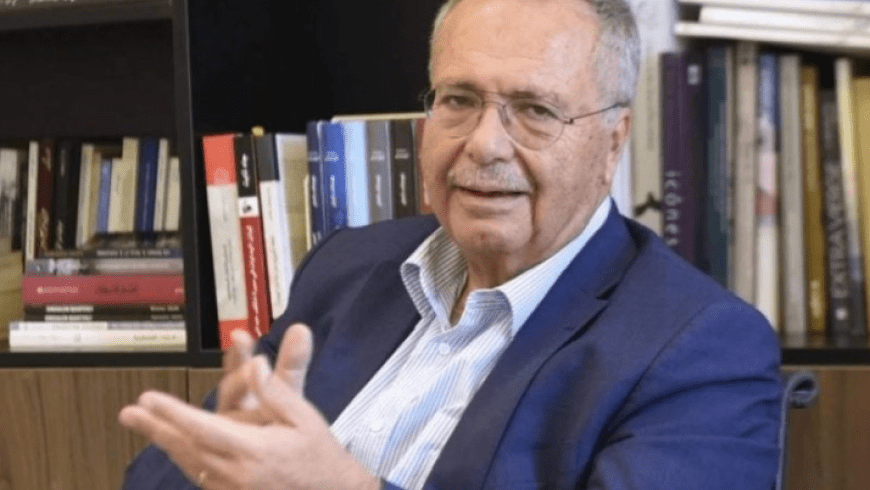
In a key development aimed at cementing the nascent rapprochement between Beirut and Damascus, Lebanon’s Deputy Prime Minister, Dr Tariq Mitri, is set to arrive in the Syrian capital today for a series of high-level meetings, chief among them an audience with President Ahmead al-Sharaa at the People’s Palace.
Authoritative sources told Syria TV that Dr Mitri’s visit will include separate talks with Syrian Foreign Minister Asaad al-Shibani, Interior Minister Anas Khattab, Justice Minister Mazhar al-Wais and General Intelligence Director Hussein Salama.
The delegation’s primary aim is to address longstanding bilateral issues and establish practical frameworks of cooperation, especially in the wake of stalled negotiations regarding Syrian detainees held in Lebanon. Discussions will centre on border demarcation and management, enhanced security and coordination mechanisms, and joint efforts to combat narcotics trafficking — a matter now deemed urgent by both governments.
The visit follows closely on the heels of a regional tour by French presidential envoy Anne-Claire Legendre, who visited both capitals and conveyed France’s willingness to host technical talks between Lebanon and Syria to finalise the demarcation of their land border.
Turning the Page on a Fraught Past
The forthcoming meetings build on a deliberate effort to reset relations. On 7 November, Lebanese Prime Minister Nawaf Salam declared that Lebanon had “turned the page on the past” with Syria and opened a new chapter grounded in transparency and cooperation. He underlined the importance of building balanced relations based on mutual respect and strict non-interference in domestic affairs.
Both countries, he noted, have experienced mutual interference in past decades — Syrian citizens affected by the actions of certain Lebanese groups during Syria’s conflict, and Lebanon by earlier Syrian violations of its sovereignty. “Lebanon harbours no rivalry with Syria,” Salam affirmed, “but rather seeks to bolster stability in both lands, for Lebanon’s security is inseparable from Syria’s.”
As a sign of improving conditions, the Lebanese premier announced that more than 350,000 Syrian refugees have voluntarily returned home from Lebanon in recent months — a development he described as evidence of improved security and living conditions within Syria.
As Dr Mitri crosses into Damascus later this week, the meetings are expected to translate goodwill into formal agreements, offering both nations a chance to move from decades of distrust toward a relationship shaped by practical cooperation and shared regional interests.
