
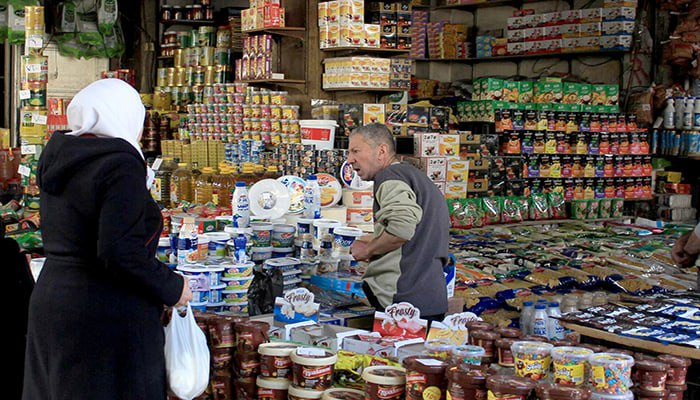
The recent increase in salaries and wages in Syria stands as a consequential economic and social intervention at a moment when citizens confront some of the most severe challenges in their modern history. The measure seeks to reinforce household incomes and slow the sharp erosion of purchasing power. It signals a state effort to restore a measure of financial and communal stability. By strengthening the fiscal base of public employees, the adjustment enables families to better withstand the rising costs of food, housing, and energy. The impact extends beyond monetary relief. It offers a renewed sense of security and steadiness that reaches the dependents of these earners and allows for a more balanced relationship between essential expenses and the pursuit of a dignified life.
The wage increase also carries significant implications for the broader economic landscape. As household liquidity expands, demand for basic goods and services rises in tandem. This renewed activity provides a needed stimulus to the marketplace. Merchants and producers are encouraged to refine their offerings and expand output, which in turn generates new employment opportunities and accelerates the circulation of money. When guided with care, this dynamic fosters a more resilient and animated economic environment.
Yet the policy is not free of complications. The most immediate concern is inflation. A substantial infusion of liquidity can push prices upward, especially in an economy marked by fragile domestic production and heavy dependence on imports. Under such conditions, the nominal gains in income may be consumed by higher costs for energy and essential services. The real value of the increase risks diminishing, limiting its ability to restore living standards.
Inflation’s burdens fall most harshly on those excluded from the wage adjustment, particularly private-sector workers and the unemployed. These groups face rising prices without any compensatory increase in income. Their consumption narrows to the strictest necessities, and the disparity between their circumstances and those of public employees widens. This divergence underscores the need for comprehensive fiscal policies that distribute relief more equitably and preserve social cohesion.
The exchange rate of the Syrian Pound adds another layer of vulnerability. Additional liquidity places downward pressure on the currency and may accelerate its depreciation against foreign currencies. Such volatility imposes further strain on households that do not benefit from the wage increase and complicates their ability to meet basic needs. A balanced financial framework is essential to temper these fluctuations and protect the most exposed segments of society.
A notable shortcoming of the current policy is the exclusion of retirees. As a foundational segment of the population living on fixed pensions, their omission leaves a visible gap in the social safety net. Without an adjustment to their income, the elderly become increasingly vulnerable to rising costs. Their situation calls for a more inclusive approach to economic stabilization.
From a macroeconomic standpoint, higher wages place immediate pressure on the national budget. In an economy where revenues are constrained and unpredictable, an expanded public wage bill inevitably widens the fiscal deficit. The government must then confront difficult choices: accumulating debt, issuing additional currency, or reducing essential subsidies. For wage increases to evolve from temporary relief into a sustainable economic gain, the state must prioritize revenue reform and the revitalization of domestic production.
The ultimate success of this policy depends on the government’s ability to secure funding without imposing further burdens on the public, such as higher utility rates. It requires careful planning to ensure that domestic production can meet rising demand and reduce reliance on imports. Only then can the country stabilize its currency and translate numerical wage growth into a lasting improvement in the standard of living for all Syrians.
This article was translated and edited by The Syrian Observer. The Syrian Observer has not verified the content of this story. Responsibility for the information and views set out in this article lies entirely with the author.