
Syria’s Ministry of Local Administration and Environment has issued a landmark decision granting provincial governors broad authorities previously held by the minister, marking one of the most significant steps toward administrative decentralisation since the passage of Local Administration Law No. 107 in 2011. Officials say the move is intended to accelerate service delivery, streamline project implementation, and reduce bureaucratic congestion in Damascus.
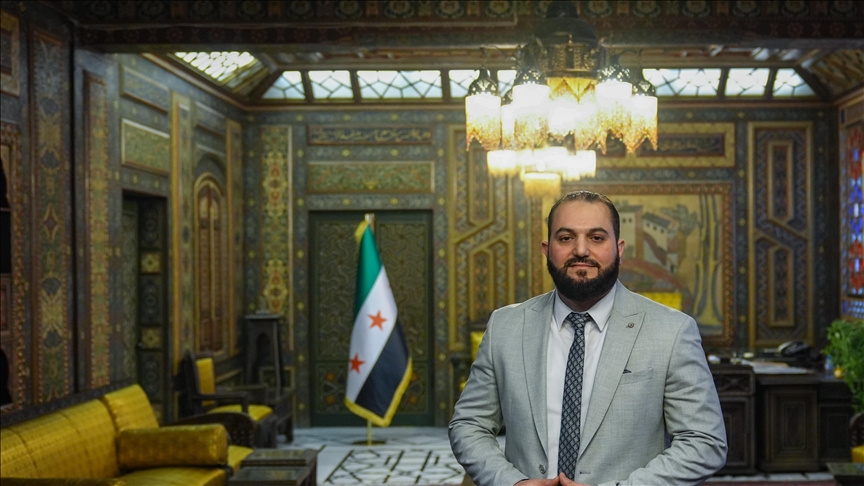
Minister Mohammad Anjarani signed Decision No. 13 of 2025, delegating extensive administrative, financial, investment, and environmental powers to governors, allowing provinces to process transactions and execute projects without returning to central authorities.
Comprehensive Transfer of Authority
The decision represents a major restructuring of administrative responsibilities. Article One authorises governors to form executive offices, assign duties among members, and ratify investment and operational expenditure contracts. They may also approve sale, lease, and investment agreements concluded by administrative units.
Governors now hold financial powers under the contracts law and have been granted authority over personnel affairs under the Basic Workers’ Law, including appointments, transfers, secondments, disciplinary prohibitions, and reinstatements. They may order evictions from administrative-unit housing and approve environmental protection measures.
Investment and Project Approvals
Under Article Six, governors may ratify investment agreements and contracts valued between 10 and 15 billion new Syrian pounds, in accordance with Law No. 43 of 2023. They may also approve lease and investment contracts ranging from one to five billion pounds.
Article Seven authorises governors to approve projects with estimated values between 200 and 500 million pounds, a shift expected to significantly reduce delays in project initiation and implementation.
Expanded Environmental Oversight
The decision also broadens governors’ authority in environmental regulation. They may now approve organisational plans prepared by environmental inspectors under Environmental Protection Law No. 12 of 2012 and issue closure orders against facilities violating environmental standards under Law No. 2 of 2013.
Human Resources Management
One of the most consequential changes appears in Article Twelve, which delegates wide-ranging human resources powers to governors, including:
- Appointments to first-category positions
- Approval of unpaid special leave
- Promotion bonuses
- Overtime, fieldwork, and hardship compensation
- Financial incentives equivalent to two months’ salary
Governors may also approve transfers and secondments across all categories, ratify expert and technical service contracts, regularise temporary staff, transfer employees to first-category positions, grant incentive awards, and decide on resignations, service termination, and referrals to disciplinary courts.
Empowering Local Administrations
Article Thirteen extends certain ministerial powers to presidents of city councils in provincial centres, granting them authority over personnel affairs in specified cases. The measure is intended to enhance local autonomy and reduce reliance on central decision-making.
Part of a Broader Decentralisation Trend
The decision aligns with a broader governmental trend observed in recent months, as multiple ministries have delegated portions of their authority to governors. Officials argue that decentralisation will ease the burden on central administration, speed up transaction processing, and strengthen provincial roles in managing service and investment portfolios.
The move comes amid ongoing debates about administrative reform during Syria’s transitional period. Supporters contend that empowering local authorities will improve responsiveness to citizens’ needs and accelerate reconstruction. Critics, however, question whether provincial administrations possess the capacity, oversight mechanisms, and institutional safeguards necessary to manage these expanded powers effectively.
As of now, no official statements have clarified how the newly delegated authorities will be monitored or what training and support will be provided to governors and local councils to ensure proper implementation.
This article was translated and edited by The Syrian Observer. The Syrian Observer has not verified the content of this story. Responsibility for the information and views set out in this article lies entirely with the author.