
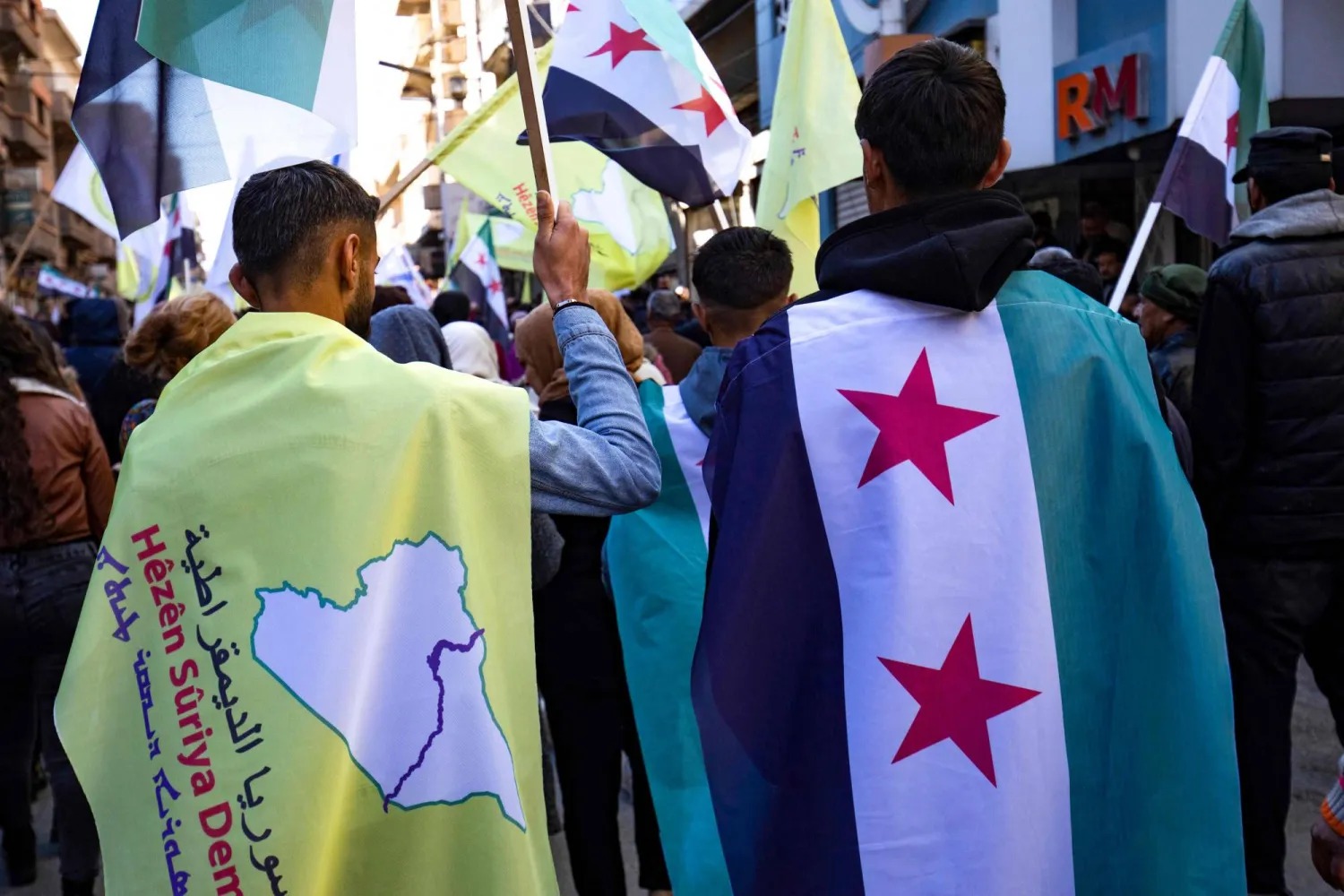
As negotiations between the Syrian government in Damascus and the Syrian Democratic Forces (SDF) edge towards collapse, analysts are warning of severe economic repercussions. These include deepened internal divisions, escalating resource shortages and heightened instability that could further plunge the war-ravaged nation into crisis.
The talks, based on a March 2025 agreement aimed at integrating civilian and military institutions in SDF-controlled northeastern Syria into the national framework, appear to be faltering amid mutual accusations and mounting external pressures. Recent reports point to rising tensions, with the Syrian government reportedly preparing a military operation against SDF-held territories following allegations of non-compliance. This development follows a failed July meeting between President Ahmad al-Shara and a senior SDF figure during a visit to Damascus by a US envoy, further dimming hopes of reconciliation.
Syria’s economy, already devastated by over a decade of conflict, faces compounded threats should the agreement unravel. United Nations estimates put the cost of the war at over $400 billion, with around 40% of the nation’s infrastructure destroyed. The World Bank has forecast a modest 1% GDP growth for 2025, following a 1.5% contraction in 2024. However, experts warn that these projections may quickly deteriorate amid persistent financial strain, liquidity shortfalls and suspended international aid.
Over two-thirds of Syria’s population of 26 million live below the poverty line, with unemployment at 50% and 75% reliant on humanitarian assistance. The northeastern region under SDF control—often referred to as Syria’s “food basket”—contains 95% of the country’s oil and gas reserves, including major fields such as al-Omar and Tanak in Deir ez-Zor, and Rmeilan and al-Hol in Hasakah. These areas also dominate agricultural output, which is particularly critical in light of the worst drought in 36 years. Wheat production has fallen by 40% to approximately 1.2 million tonnes, creating a shortfall of 2.7 million tonnes.
Before the war, Syria produced 383,000 barrels of oil per day, accounting for 20% of government revenue. Today, total output has fallen below 40,000 barrels daily, while estimates for the eastern region range between 80,000 and 100,000 barrels. In February 2025, Damascus received initial oil shipments from SDF territories as part of a tentative coordination effort. Analysts caution, however, that this fragile arrangement may collapse under political strain, forcing Syria to rely further on costly imports and aggravating energy shortages.
Political analyst Sharif Shehadeh told Al-Hal Net that Syria’s economy remains fragile despite partial sanction relief from the West. “The US has only temporarily suspended some sanctions, while the Caesar Act remains in effect, albeit softened, and the EU has merely frozen parts of its measures,” he said. Shehadeh warned that a breakdown in negotiations would double the pressure, given that SDF areas account for 80% of Syria’s oil production and key crops such as wheat and cotton. This could drive up energy costs, disrupt supply chains and threaten food security.
Legal expert Mahmoud Marai echoed these concerns, warning of the risk of renewed military confrontation if integration talks fail—potentially drawing in regional powers such as Turkey. “This could lead to direct conflict, halting investment and reconstruction,” he noted, adding that increased instability would deepen daily hardships, including electricity, water, food and medicine shortages. He called for a comprehensive national dialogue in Damascus to avert the threat of partition and preserve national unity.
Political researcher Wael al-Amin described northeastern Syria as the “heart of national wealth,” accounting for more than 90% of the country’s economic resources. He argued that a collapse in talks would worsen the already severe living crisis, especially in securing flour and petroleum products. Damascus may be forced to import gas from Azerbaijan despite domestic abundance. Al-Amin proposed a resource-sharing arrangement as a realistic fallback, citing past interim agreements, but warned that a prolonged impasse would drain both sides without benefit.
Recent events underscore the volatility of the situation. An SDF rocket attack on Aleppo on 12 August challenged Damascus’s authority and shifted focus away from dialogue towards security breaches. Social media discussions reflect growing pessimism, with users warning that failure of the March agreement could undermine US-backed gains against ISIS and risk prison breaks among detained fighters. Others highlighted broader economic woes, including a 40% drop in purchasing power since the Assad era due to currency depreciation, while prices remain unchanged.
Inflation, recorded at 36.8% in February, could rise further, weakening the Syrian pound—currently trading at around 11,000 to the dollar—and fuelling a shadow economy. Multiple currencies now circulate across regions, including the Syrian lira, Turkish lira and US dollars. Reconstruction costs are estimated at hundreds of billions, potentially reaching one trillion dollars, but international support hinges on political stability.
Without a breakthrough, Syria risks entrenching a cycle of fragmentation in which warlords and informal networks profit from division, obstructing unified markets and sustainable recovery. As one analyst remarked on social media, the transitional authority’s “honeymoon” period is fading—and without swift action, the country may face a wave of chaos even more severe than the post-2011 years. International observers, including the US Congress, have stressed that SDF-Damascus implementation talks must conclude by the end of the year to unlock aid and stabilise the region.
This article was translated and edited by The Syrian Observer. The Syrian Observer has not verified the content of this story. Responsibility for the information and views set out in this article lies entirely with the author.