
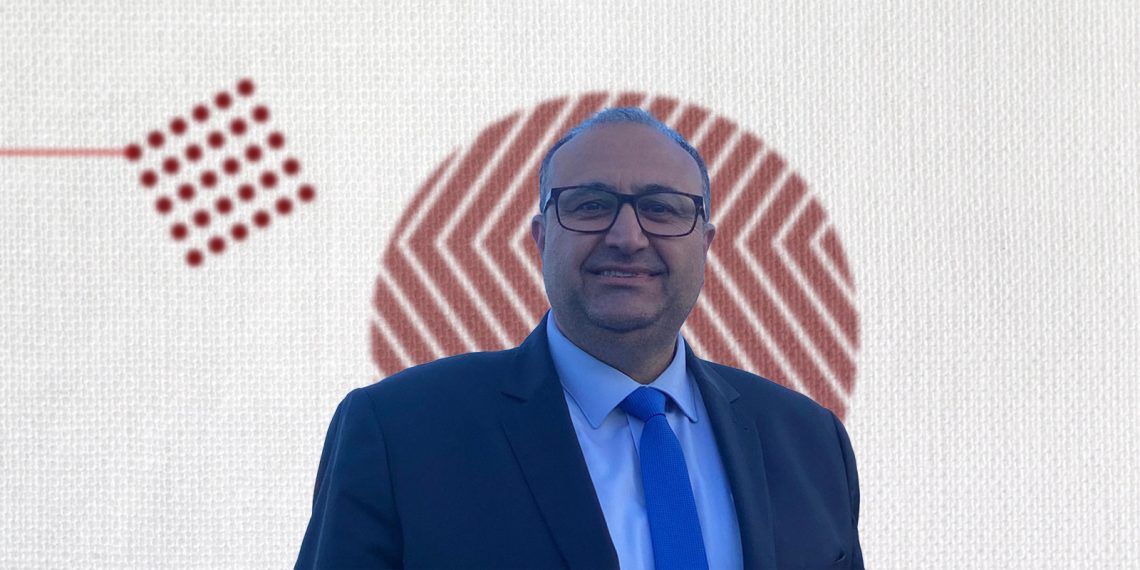
Recent statements and reports have revealed direct communication between the Syrian Democratic Forces (SDF) and senior Turkish officials, signalling a potential recalibration in their historically strained relationship. According to international relations expert Tareq Ziad Wahbi, this development may mark a transformative moment in Syria–Turkey dynamics.
In an interview with 963+, Wahbi described the engagement as a notable shift, especially after SDF General Commander Mazloum Abdi confirmed in May 2025 that the group had opened direct and mediated channels with Turkey. Abdi also expressed readiness to improve relations—even hinting at the possibility of a meeting with President Recep Tayyip Erdogan.
Further underlining the thaw, Tulay Hatimoglulari, co-chair of Turkey’s Democracy and Equality Party, noted in June that reciprocal visits between Turkish officials and the Autonomous Administration in northeast Syria could revive Ankara’s stalled peace process.
A Shift Rooted in Turkish Politics
Wahbi characterised the SDF–Turkey dialogue as a breakthrough largely driven by political shifts inside Turkey. The recent reconciliation between Ankara and the Kurdistan Workers’ Party (PKK), he argued, has created space for engagement with the SDF—something previously off-limits.
This evolving relationship is already visible in changes along the Turkish–Syrian border. Wahbi observed that Kurds travelling from Europe to Syria via Turkey are facing fewer restrictions, noting that Ankara’s posture has softened following the PKK’s disarmament. The thaw in domestic tensions has prompted Turkey to shift away from policies aimed at displacing Kurds along the border. This, he said, could open the door to economic exchange and freer movement across the frontier.
Limits of a Bilateral Deal
Despite the progress, Wahbi expressed scepticism about the prospect of a standalone SDF–Turkey agreement that excludes Damascus. He believes the Syrian government—now led by President Ahmad al-Sharaa—is fully aware of the discussions and may tolerate limited arrangements, particularly given Turkey’s earlier support for al-Sharaa’s leadership. However, any such agreements would likely remain narrow in scope and mindful of Syria’s central authority.
Wahbi suggested that direct ties with Turkey could deliver strategic dividends for the SDF—potentially greater than those from negotiations with Damascus. He speculated that Ankara might soon appoint an official liaison to coordinate with Syrian Kurdish representatives. Both Erdogan and al-Sharaa would likely oversee the process closely.
He added that Damascus could choose to overlook certain outcomes of a potential agreement—particularly regarding the sensitive issue of military command unification—if it helps avert broader conflict. One of the SDF’s most significant potential gains, Wahbi noted, could be the restoration of Arabised areas in northern Syria to Kurdish control.
Wahbi downplayed the role of pro-Kurdish parties in Turkey, arguing that Ankara remains wary of any unified Kurdish leadership. He advised that the SDF would be better served by building direct trust with Turkish authorities—possibly through an individual Kurdish figure within a Turkish party—rather than relying on institutional mediation.
Wider Political Context
Wahbi was keen to clarify that these talks should not be viewed merely as an extension of failed negotiations with Damascus. Following the collapse of the Assad regime, Turkey initially reaped political rewards for supporting Syria’s transitional leadership. However, as Damascus and Ankara have diverged on core priorities, tensions have emerged.
President al-Sharaa, Wahbi noted, is focused on national unification, inclusive governance, and reconstruction. Meanwhile, the SDF—having established strong military and administrative institutions over the past decade—has emerged as a valuable partner for Damascus, especially in the areas of security coordination and international diplomacy, including with Western states.
Wahbi concluded that Damascus’s readiness to tolerate certain SDF–Turkey agreements reflects a pragmatic approach aimed at maintaining regional stability. The shifting political landscape in Turkey may offer new openings for the SDF to secure concessions without triggering military escalation.
This article was translated and edited by The Syrian Observer. The Syrian Observer has not verified the content of this story. Responsibility for the information and views set out in this article lies entirely with the author.