
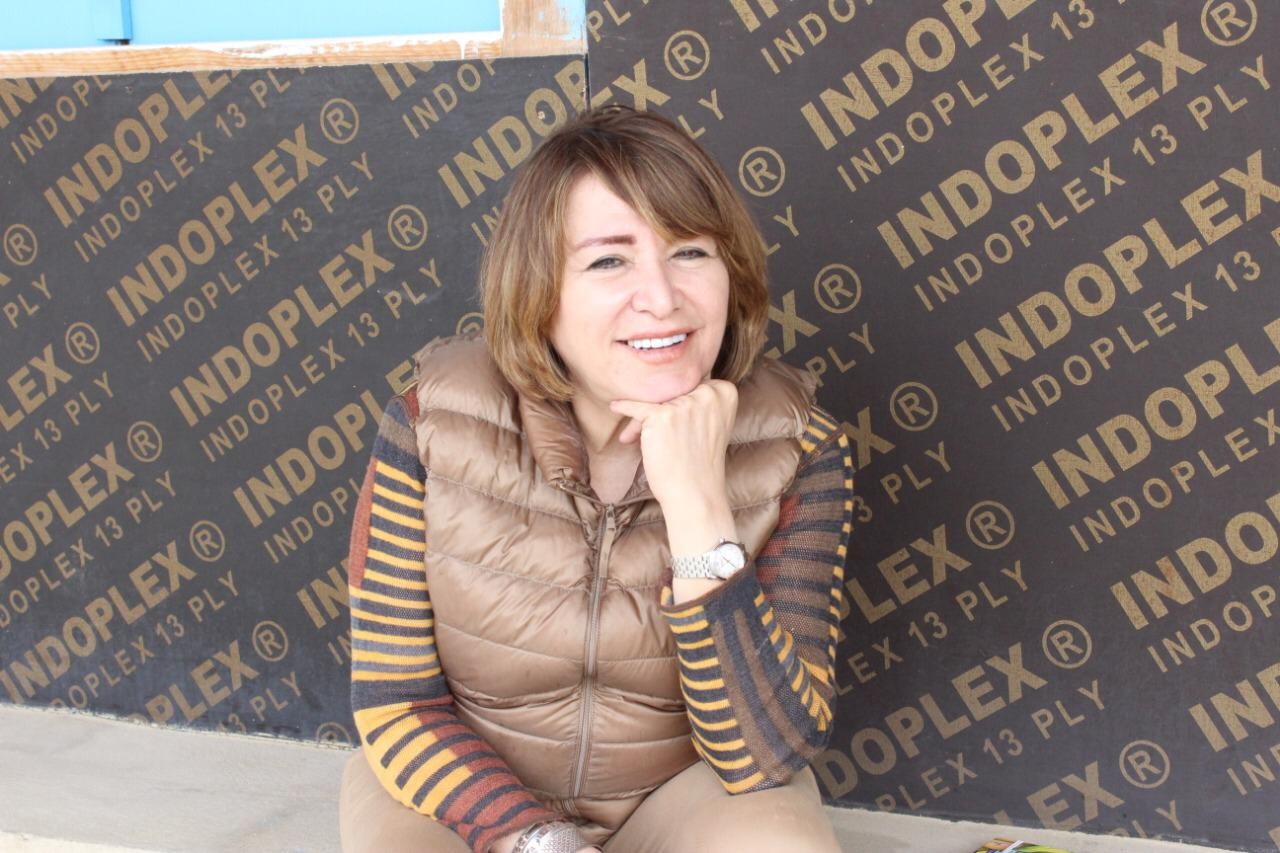
Syrian feminist activist Roula Al-Roukbi says the persistent confusion surrounding the term “feminism” in Syrian society stems from decades of stereotypes, political repression, and the absence of open public debate. Her remarks come as discussions about women’s rights intensify in the aftermath of the war, which pushed many women into new economic and social roles without securing full recognition of their rights.
A Concept Burdened by Misconceptions
Speaking to Sana Syria, Al-Roukbi explained that feminism entered Syrian discourse “laden with stereotypes and reductive interpretations,” often portrayed as a foreign threat rather than a framework rooted in justice, equality, and human dignity. She noted that the sensitivity surrounding the topic is tied to a society shaped by authoritarian rule and the upheavals of war, where any conversation about redistributing power within the family or public life is often met with apprehension.
Feminism and the Family
Al-Roukbi rejected claims that feminism undermines men or threatens the family structure. She described it as a stance against injustice, not against men, and as an effort to build a more balanced relationship between the sexes. Families, she argued, become more stable when women are treated as equal partners with shared responsibilities and decision-making power.
Bridging the Gap with Society
To make feminism more accessible, Al-Roukbi believes it must be articulated through everyday realities rather than abstract terminology. Linking it to issues such as safety from violence, the right to work, and participation in family decisions helps dispel suspicion and demonstrates its relevance to daily life.
Persistent Misconceptions
One of the most widespread misunderstandings, she said, is the belief that feminism seeks to make women “like men” or dominant over them. This perception, she added, is reinforced by conservative narratives that frame feminism as a threat to traditional structures, fueling fear of change.
War-Time Shifts, Post-War Constraints
Al-Roukbi emphasized that the war years revealed women’s capacity to shoulder significant economic and social responsibilities, with many becoming primary providers or active partners in managing family life. Yet this shift has not been matched by full recognition of women’s rights. She pointed to ongoing attempts under the transitional order to restrict personal freedoms and impose a singular, religiously framed image of women in the public sphere.
Women’s political participation, she noted, remains limited or symbolic, despite their substantial contributions during the revolution and conflict. This contradiction—official rhetoric of openness contrasted with new restrictions—raises fundamental questions about the depth of societal transformation.
A Defining Moment for Women’s Future
Al-Roukbi situates the debate within a broader inquiry into the emerging structure of Syrian society and the boundaries of change. With women now firmly present in the workforce and public life, she believes the current phase will play a decisive role in determining their future status and rights.
Roula Al-Roukbi, originally from Hama and formerly based in Damascus, holds a degree in French Literature and a Master’s in History. She has been active in political and feminist work since before the Syrian Revolution and is a founding member of the Syrian Women’s Network, the Syrian Women’s Lobby, and the Syrian Women’s Political Movement.
This article was translated and edited by The Syrian Observer. The Syrian Observer has not verified the content of this story. Responsibility for the information and views set out in this article lies entirely with the author.