
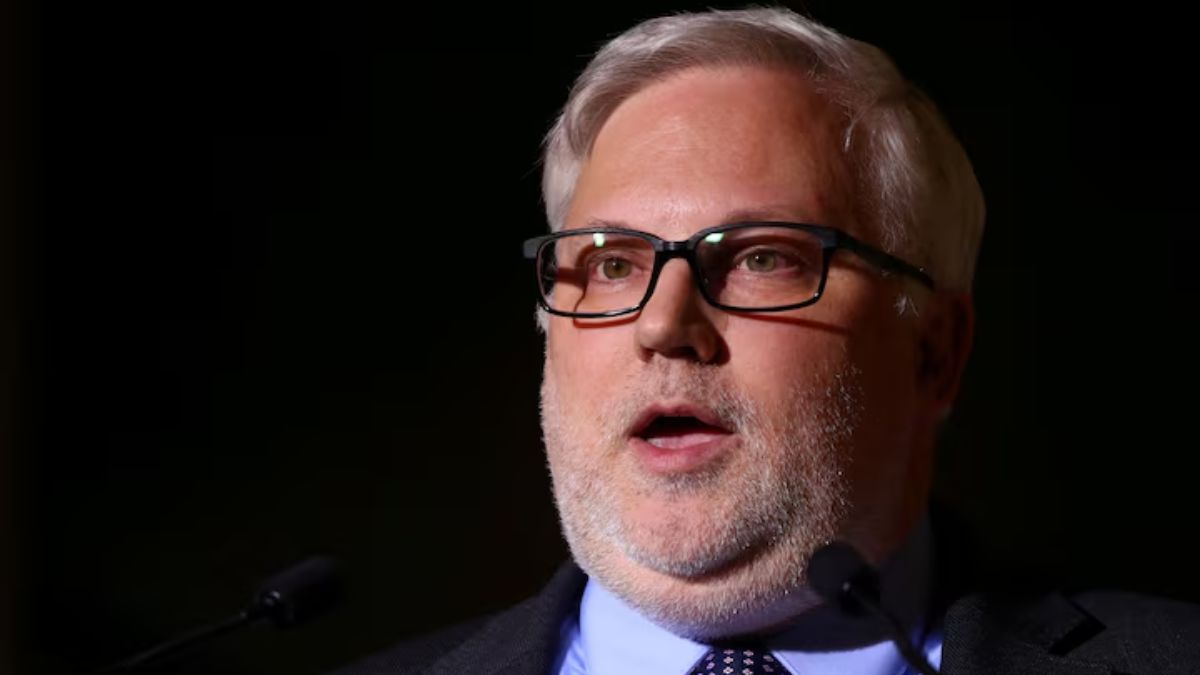
In a swift and unexpected reversal, the White House has withdrawn the nomination of diplomat Joel Rayburn just days after his advancement for the post of Assistant Secretary of State for Near Eastern Affairs, according to reports in the American press.
On 22 October, the Senate Foreign Relations Committee had approved Rayburn’s nomination by a margin of 15 to 7, paving the way for his consideration by the full Senate.
However, according to Axios—first to report the development late on Monday, 27 October—the White House rescinded the nomination following information from three unnamed sources familiar with the matter.
The New York Times later confirmed the report, citing three additional individuals with direct knowledge of the decision, all speaking on condition of anonymity. No official explanation was offered for the withdrawal.
One source told Axios that Rayburn lacked sufficient support in the Senate to secure confirmation, adding that the administration “will go in a different direction.”
The report also highlighted Senator Rand Paul’s opposition to the nomination. Though the committee moved Rayburn’s name forward, Paul’s dissent signalled that full Senate approval would face steep obstacles, ultimately prompting the White House’s retreat.
Speaking to Axios, Paul said of the earlier committee vote: “We voted him out with no recommendation,” declining to confirm whether he had received formal notice of the withdrawal.
A Clash with the Senate
Rayburn is widely regarded as a seasoned figure in U.S. diplomacy, particularly versed in the politics of the Near East, with Syria a key focus of his career.
However, his nomination has been clouded by controversy. He and his former superior, James Jeffrey, have been accused of misleading Washington officials about the number of U.S. troops stationed in Syria—allegedly to preserve a continued military presence at odds with then-President Donald Trump’s withdrawal aims.
It was Trump, having returned to office earlier this year, who re-nominated Rayburn in February—a move that stalled in the Senate for several months.
In May, Rayburn faced a contentious confirmation hearing marked by intense questioning from Senator Paul, whose line of inquiry reportedly reflected long-standing concerns.
As of publication, the White House has not responded to requests for comment regarding the decision to withdraw Rayburn’s nomination, according to Reuters.
This article was translated and edited by The Syrian Observer. The Syrian Observer has not verified the content of this story. Responsibility for the information and views set out in this article lies entirely with the author.