
The Canadian government has added six individuals linked to Syrian military formations—including two now serving in the restructured Syrian army—to its sanctions list, even as it moves to lift broad economic restrictions by removing 24 entities and one individual from its Syria regulations.
The dual action, announced Wednesday, reflects Ottawa’s recalibrated approach to Syria following the fall of the Assad regime in December 2024: easing sweeping economic measures on state institutions while maintaining targeted pressure on individuals accused of grave human rights abuses.
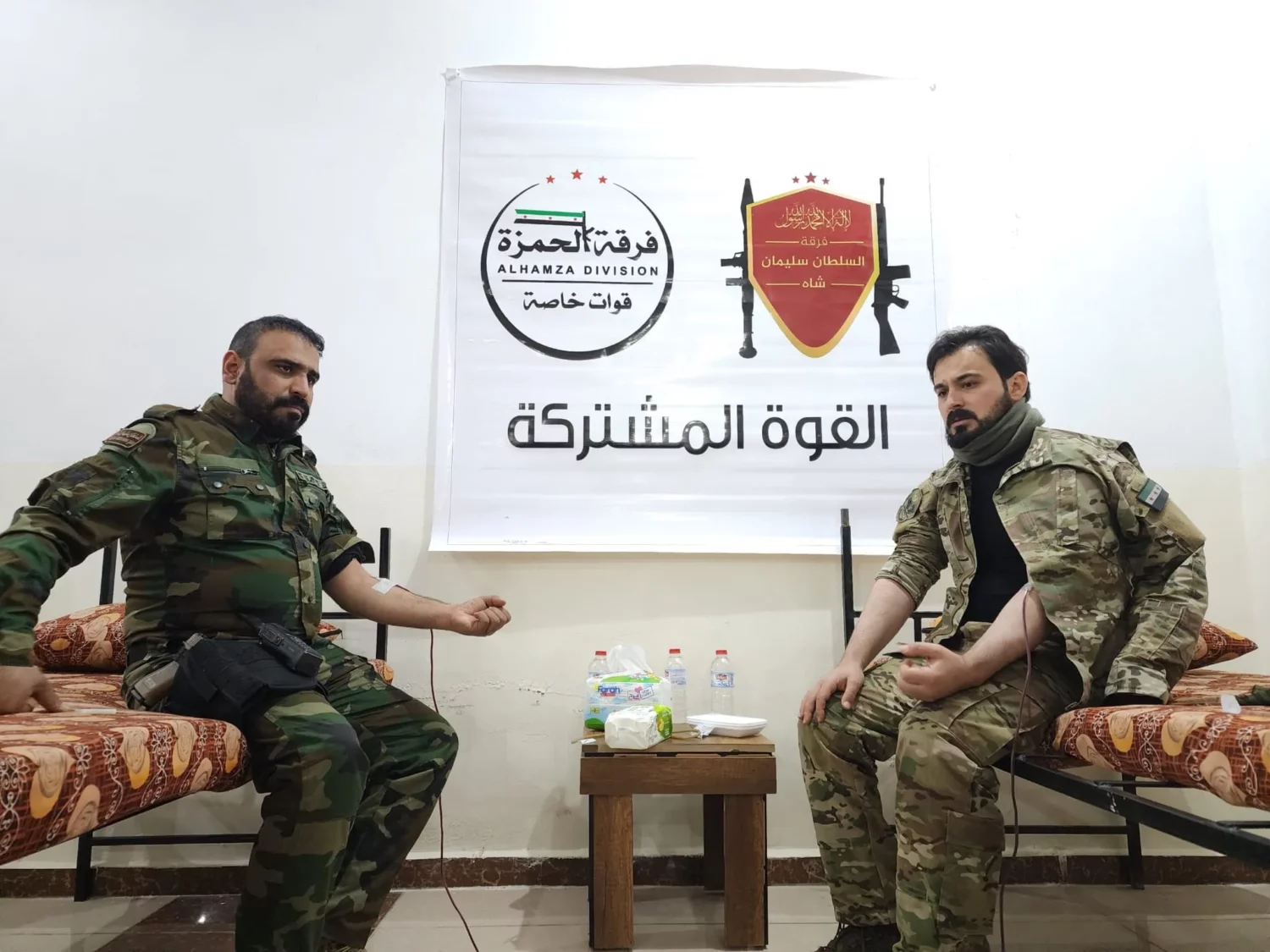
Among the newly sanctioned are Muhammad Hussein al-Hashim, known as “Abu Amshah,” former commander of the Sultan Suleiman Shah Brigade and now head of the Syrian army’s 25th Division; and Saif Bolad Abu Bakr, former commander of the Hamza Division and recently appointed to lead the 76th Division.
Also designated are Ghaith Suleiman Dalla, a former Syrian army brigadier who commanded the Al-Ghaith forces within Brigade 42; Miqdad Fatiha, a former Republican Guard officer now leading the “Coast Shield Brigade,” described as loyal to the former regime; and Syrian-Russian businessmen Dalal Khouri and Imad Khouri, identified by Ottawa as past financiers of the Assad government.
The sanctions were imposed under two new criteria allowing Canada to target individuals responsible for “serious and systematic human rights violations” or actions that “undermine the peace, security, and stability of Syria.”
Economic Relief Paired With Targeted Accountability
In parallel, Canada removed 24 Syrian entities from its sanctions list, including the Central Bank of Syria, several state-owned banks, oil companies, national telecommunications firms, and Syrian Arab Airlines. Mohammed Nidal al-Shaar—now serving as Minister of Economy and Industry—was also delisted.
Foreign Affairs Minister Anita Anand said the amendments, made under the Special Economic Measures Act, lift the broad economic embargo imposed on Syrian state institutions since May 2011. According to a government statement, the changes ease restrictions on imports and exports, investment, and the provision of financial and other services—including those related to telecommunications monitoring and oil-sector transactions.
The shift follows Canada’s December 2024 endorsement of Syria’s political transition and its pledge to support recovery while pursuing international accountability for past abuses. In February 2025, Ottawa issued a temporary general permit that relaxed some economic restrictions and allowed financial transactions within Syria, including dealings with the central bank and six other previously sanctioned banks.
With the latest amendments now in force, the government announced that the “Syria General Permit” will not be renewed when it expires in February 2026, citing the new regulatory framework as sufficient to govern economic activity.
In December 2025, Canada also removed Syria from its list of foreign state supporters of terrorism under the State Immunity Act and delisted Hayat Tahrir al-Sham from its Criminal Code list of entities—moves widely seen as further evidence of Ottawa’s evolving posture toward Damascus.
International Context
Canada’s designations follow similar actions by other Western governments. In May 2025, the European Union sanctioned several factions and commanders now integrated into Syria’s new military structure after violence in the coastal region, targeting the Sultan Murad Division, the Sultan Suleiman Shah Brigade, and the Hamza Division. The U.S. Treasury Department had previously added these groups and leaders to its sanctions list in August 2023.
Analysts note that while Canada’s measures align with this broader Western trend, they carry added weight because the individuals now hold senior positions within Syria’s reconstituted military.
“These amendments signal Canada’s intention to prioritize individual accountability over blanket sanctions,” the government statement said. The approach aims to coordinate with international partners in lifting economic restrictions on trade, telecommunications, and the oil sector—steps intended to support political transition and early recovery—while preserving mechanisms to hold perpetrators of abuses to account.
This article was translated and edited by The Syrian Observer. The Syrian Observer has not verified the content of this story. Responsibility for the information and views set out in this article lies entirely with the author.
