
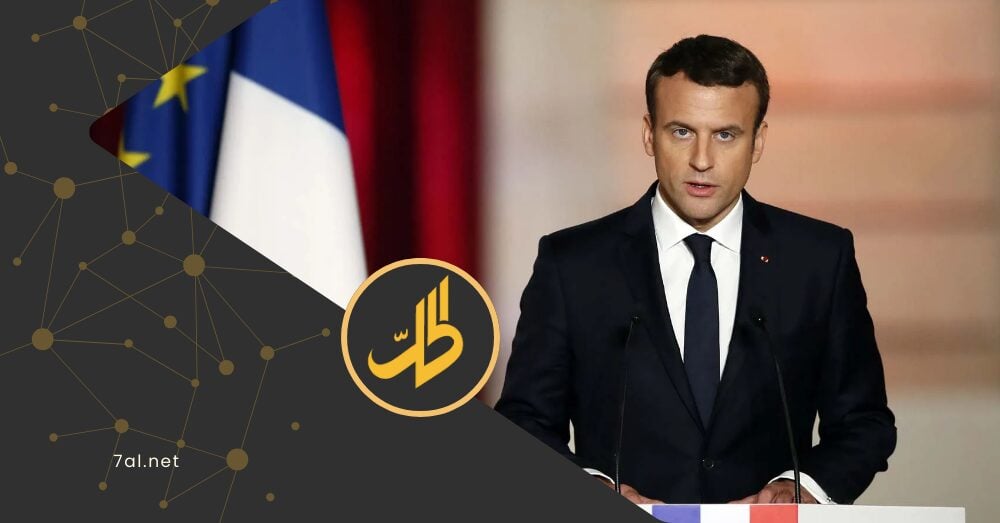
French President Emmanuel Macron is preparing to travel to Damascus in the coming weeks, accompanied by senior executives from major French companies—a move that marks the most significant step yet in Paris’s re-engagement with post-conflict Syria. The visit, confirmed Tuesday by the French Foreign Ministry spokesperson, reflects a calculated shift toward rebuilding political and economic ties with the country’s new authorities.
French officials describe the trip not simply as a diplomatic outreach but as a targeted economic mission. By bringing firms active in infrastructure, energy, and reconstruction, Paris aims to position itself early in Syria’s recovery landscape. The underlying logic is clear: economic presence can translate into long-term political influence at a moment when Western engagement remains limited.
France’s Mediation Role Between Damascus and the SDF
A central pillar of France’s renewed involvement is its role as a mediator between the Syrian government and the Syrian Democratic Forces (SDF). Paris has publicly endorsed the recent agreement between the two sides, calling it “the best opportunity for both parties,” and confirmed it is working to support its implementation.
France’s leverage stems from a decade of military cooperation with the SDF in the fight against ISIS. While maintaining that partnership, French officials emphasize that Paris is keeping “equal distance” from both sides as it relays messages and monitors commitments related to counter-terrorism and detention facilities.
A key figure in this mediation is SDF commander General Mazloum Abdi. According to French assessments, Abdi views the agreement as a chance to transition from a military role to a political one—an evolution Paris and the Kurdistan Regional Government have encouraged, including through messages urging distance from the PKK.
The French spokesperson also commented on Israeli violations in Syria, expressing hope that Israel will adhere to international law regarding the Golan Heights. While reaffirming support for Syria’s unity and sovereignty, the spokesperson noted that “both Syrians and Israelis are open to a new round of negotiations,” adding that France is prepared to host such talks, though no timeline has been set.
This reflects Paris’s attempt to balance long-standing diplomatic principles with the shifting realities of a region undergoing political recalibration.
Accountability and the Rifaat al-Assad Funds
On internal Syrian developments, Paris adopted a firm tone regarding recent violence in the coastal region and in Suwayda. “There will be no impunity,” the spokesperson said, underscoring the need for accountability for all parties involved.
One of the most concrete developments involves the transfer of approximately €32 million to Damascus—funds seized by French courts from Rifaat al-Assad, the former president’s uncle. Unlike broader reconstruction aid, these funds are earmarked for direct project financing intended to benefit the Syrian population.
The mechanism offers a potential model: frozen assets abroad could be converted into immediate recovery funding without waiting for a comprehensive political settlement. It also demonstrates France’s ability to deliver tangible resources, strengthening its credibility with both Syrian authorities and civil society.
Macron’s upcoming visit is more than symbolic. It reflects a strategic calculation that early economic engagement, combined with active mediation and a principled stance on accountability, can give France disproportionate influence in shaping Syria’s next phase.
Paris is positioning itself not as a fatigued donor but as a partner capable of bridging divides—between Damascus and the SDF, between frozen assets and urgent development needs, and potentially between Syria and a broader European re-engagement. Whether this approach proves sustainable will depend on implementation, but France’s message is unmistakable: it intends to play a role in Syria’s future, not merely comment on its past.
This article was translated and edited by The Syrian Observer. The Syrian Observer has not verified the content of this story. Responsibility for the information and views set out in this article lies entirely with the author.
