
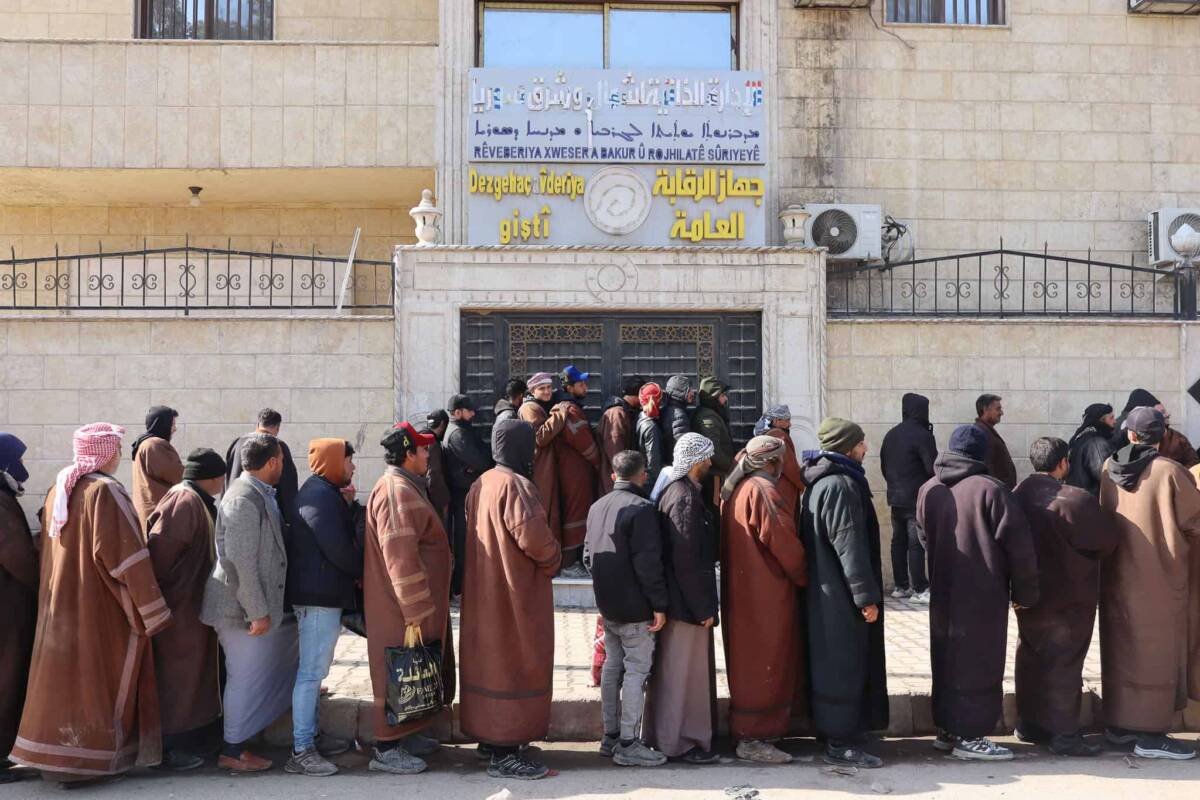
A sharp debate is unfolding in Raqqa as several controversial tribal figures reappear in public life and assume roles within service and security institutions. Residents say many of these individuals were previously linked to the former regime, ISIS, or the Syrian Democratic Forces (SDF), and accuse them of exploiting their ties to successive authorities.
Testimonies collected by Syria TV indicate that some of the figures now presenting themselves as “coordinators” with the Syrian government were involved in abuses against civilians in earlier years. Their return to prominence has raised concerns about opaque appointment mechanisms at a time when Raqqa is seeking a fresh start.
Locals say the term “coordinator” has become a catch-all justification used to shield certain individuals from accountability. Critics argue that the label is being deployed to rehabilitate figures with controversial records, while many qualified residents who participated in the revolution or hold advanced degrees remain sidelined.
Residents told Television Syria that some of these individuals “fought the revolution, defended the former regime, or profited under the SDF,” yet now appear at official events and banquets as if absolved of their past. Tribal networks are said to provide them with social protection and access to new positions.
Journalist Mahab Nasser noted that many of those claiming coordination have offered no evidence of meaningful action before the SDF’s withdrawal. He stressed that genuine coordination requires concrete contributions, not post-facto declarations. He also emphasized that personal rights remain valid regardless of any settlement, citing a recent lawsuit in Tabqa against a former SDF commander.
Nasser added that civilians, not coordinators, played the decisive role in liberating the city before government forces entered. He said senior officials have affirmed that the “coordinator” label does not grant immunity and that the judiciary remains open to any rights holder seeking accountability.
The debate reflects a broader fear that Raqqa’s transitional phase could be undermined by recycling controversial figures without proper legal review. Many residents insist that rebuilding trust requires a clear principle: no title overrides the rights of victims, and no one stands above the law.
This article was translated and edited by The Syrian Observer. The Syrian Observer has not verified the content of this story. Responsibility for the information and views set out in this article lies entirely with the author.
