
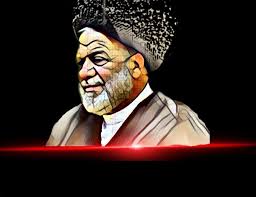
The Syrian Ministry of Finance has issued a decision imposing strict provisional seizure on the assets and establishments of prominent businessman Abdullah Nizam, along with a wide network of his partners and family members. The measure comes as part of ongoing investigations into money laundering and illicit enrichment, with the financial sums involved exceeding four hundred and seventy-five million US dollars.
Details of the Decision and the Scope of the Seizure
The order extends to every member of Abdullah Nizam’s family, including his wives, his minor and adult sons, and his daughter Maryam. This breadth signals that the investigation has widened to encompass the businessman’s closest circle. Nizam is a well-known figure in religious and social spheres. He heads the Scholarly Council for the Followers of Ahl al-Bayt in Syria and presides over the Sayyida Ruqayya Institute, affiliated with the University of Bilad al-Sham for Islamic Sciences in Damascus.
Seized Assets: A Wide Reach Across Strategic Sectors
The properties and assets placed under seizure span several vital and strategic sectors, reflecting the extensive economic influence of Nizam’s network. In the industrial and production sector, the order covers the mushroom production plant in Homs, a major export-oriented facility generating millions of dollars in revenue and registered under the name of Nabil Tayro. It also includes the cashew factory in the Adra Industrial City and the Amanda Electrical Industries Company in al-Kiswah, which manufactures household electrical appliances under the management of Firas Nasreddin and Ahmad Mundhir. In addition, a cosmetics and perfume import company with operational management in Beirut, run by Asim Ahmad al-Wasati, has been seized.
In the real estate and hospitality sector, the decision targets a large property block in Sayyida Zainab that includes land, buildings and hotels held directly or through partnerships with Bassam Nizam, Hossam Arqoub and Mohammed Fawaz. It also covers a traditional Damascene house and a five-hundred-square-meter investment plot in al-Muhajireen that had been slated for conversion into a commercial mall. Among the most notable seized assets is a large property on the airport road, a strategic plot that historically belonged to the family of Osama bin Laden before being transferred to an educational institution known as the al-Mahsiniyya School under the supervision of Faisal Ali.
In the educational, medical and service sectors, the order includes the private al-Mumayazoun School in Homs, registered under the names of his daughter Maryam Nizam and Nabil Tayro, as well as the al-Amin Medical Equipment Company, which specialises in medical supplies. A central emergency pharmacy in al-Muhajireen, registered under Maryam Nizam and Mahmoud Sharab, has also been seized. The list extends to a beauty and laser clinic in Abu Rummaneh, registered under Nizam’s daughter and managed by Samir Sandian, and a fitness and energy club in the Imam Zain al-Abidin district operated under contract with a charitable association.
The seizure does not stop at physical assets. It encompasses financial and movable assets, including all bank accounts and deposits in public and private banks, shares and stakes in joint-stock and limited-liability companies, and operational assets such as machinery, production lines and vehicles belonging to these establishments.
The legal significance of the decision lies in its inclusion of “management rights and revenues”. This means the seizure covers not only direct ownership but also the profits generated by these enterprises and the ability to control them. The measure reflects a forceful governmental stance against corruption and illicit enrichment and signals the state’s determination to recover stolen funds and uphold the rule of law.
A Web of Religious and Economic Influence Under Scrutiny
The recent developments surrounding the Ministry of Finance’s decision to impose strict provisional seizure on the assets of businessman and religious leader Abdullah Nizam and his extensive network have revealed the breadth of his influence across Syrian society. His reach extends far beyond religious authority into economic and social domains. This report highlights the most prominent features of that network based on available information and circulated images.
Abdullah Nizam: A Cleric with Expansive Influence
Nizam is known as a leading religious figure in Syria. He holds sensitive positions, including the presidency of the Scholarly Council for the Followers of Ahl al-Bayt and the leadership of the Sayyida Ruqayya Institute in Damascus. These roles have granted him a substantial popular base and considerable influence. Previously circulated photographs show him attending events that gather religious and social figures, underscoring his standing and his ability to cultivate relationships.
Economic Penetration into Key Sectors
Nizam’s influence is not confined to religious life. It extends into vital and diverse economic sectors, revealing a complex network of interests and enterprises. The details of the seizure demonstrate that this network spans:
Industrial and production sectors: major facilities such as the mushroom plant in Homs, the cashew factory in Adra, the Amanda electrical company in al-Kiswah, and a cosmetics and perfume import firm. These enterprises are managed by individuals close to him, including Nabil Tayro, Firas Nasreddin, Ahmad Mundhir and Asim Ahmad al-Wasati, indicating a broad web of partners and managers.
Real estate and hospitality sectors: large property holdings in Sayyida Zainab, investment lands in al-Muhajireen and along the airport road, some of which once belonged to the bin Laden family before being transferred to an educational institution. These holdings reveal partnerships with Bassam Nizam, Hossam Arqoub and Mohammed Fawaz, highlighting the familial and commercial reach of his network.
Educational, medical and service sectors: assets such as the al-Mumayazoun School in Homs, the al-Amin Medical Equipment Company, a central emergency pharmacy, a beauty and laser clinic in Abu Rummaneh and a fitness club. This diversity illustrates the network’s ability to permeate multiple aspects of daily life.
Family Reach and Interlocking Partnerships
The seizure order confirms that Nizam’s network extends beyond business partners to include his immediate family. His wives, sons and daughter Maryam are listed as owners of numerous assets and establishments. This pattern suggests a tightly knit family structure in the management of economic activities and property.
The exposure of this wide-ranging web of religious and economic ties, combined with accusations of money laundering and illicit enrichment, raises pressing questions about how such influence was built and the scale of funds involved. The inclusion of “management rights and revenues” in the seizure underscores the state’s intention to assert full control over these assets and prevent any future exploitation.
This article was translated and edited by The Syrian Observer. The Syrian Observer has not verified the content of this story. Responsibility for the information and views set out in this article lies entirely with the author.
