
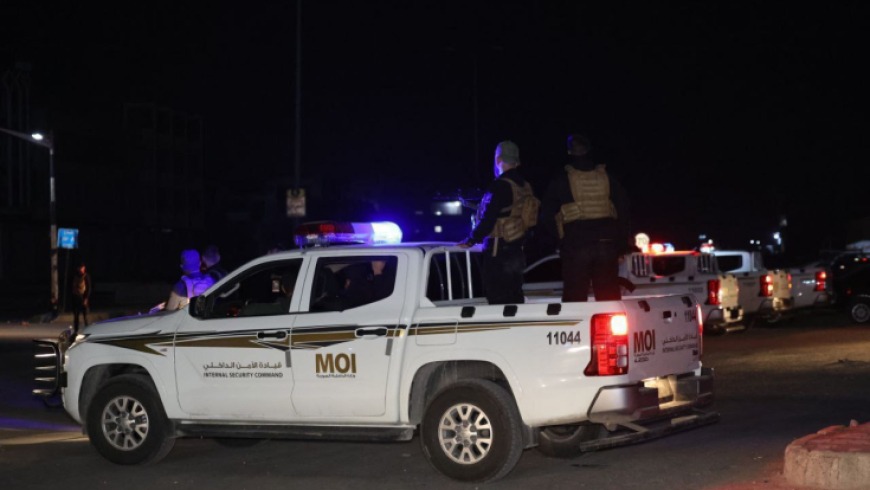
The Internal Security Command in Homs has extended a stringent curfew across vast swathes of the city until 5:00 PM on Monday, prolonging a lockdown first imposed at dusk on Sunday. The measure, described by authorities as essential for completing “field operations,” follows a night of acute tension triggered by the brutal killing of a man and his wife in the rural village of Zaidal, an act that swiftly ignited armed reprisals and plunged parts of the provincial capital into turmoil.
The curfew now blankets neighbourhoods including Al-Abbasiya, Al-Arman, Al-Muhajireen, Al-Zahra, Al-Nuzha, Akarma, Al-Nazihin, Ashira, Zaidal, Karm al-Zaytoun, Karm al-Louz, Al-Weroud, and the Police Housing quarter. Schools throughout Homs city were closed on Monday, though educational facilities in surrounding villages and complexes remain operational.
Ministry of Interior spokesman Nour al-Din al-Baba insisted that preliminary investigations have uncovered “no material evidence” of sectarian motivation behind the Zaidal crime. Inscriptions such as “Ya Husayn, Ya Ali” found at the scene, he maintained, were deliberately planted to mislead investigators and inflame communal passions, characterising the incident as a criminal rather than confessional atrocity. “Certain parties are exploiting the tragedy to circulate fabricated narratives on social media aimed at undermining stability and fracturing civil peace,” al-Baba cautioned, urging citizens to disregard disinformation.
Yet accounts from residents and the Syrian Observatory for Human Rights paint a darker picture. Armed contingents from the Bani Khalid tribe are reported to have stormed Al-Muhajireen and adjacent districts on Sunday, firing indiscriminately, torching homes and shops, and assaulting civilians. Similar incursions struck Al-Arman and Al-Zahra neighbourhoods, with militants reportedly arriving in convoys of more than ten vehicles and on motorcycles, brandishing sectarian banners and chanting slogans of vengeance. Civilian casualties, including fatalities and injuries, have been confirmed, while unverified reports of summary executions have further terrorised the population.
Despite the rapid deployment of security reinforcements from Damascus, a palpable sense of panic prompted families to flee toward the coastal region. The Observatory described a “marked weakness in security control,” warning that earlier measures proved insufficient to contain the violence.
In a statement issued late Sunday, Najat Rochdi, Deputy UN Special Envoy for Syria, expressed grave concern over the “alarming developments” in Homs, including attacks on civilians and property. She called for the immediate restoration of calm, strict adherence to the rule of law, protection of non-combatants, and accountability for perpetrators, while noting that she is closely monitoring Syrian authorities’ efforts to stabilise the situation.
Tribal leaders in Homs have publicly distanced themselves from the unrest, condemning any attempt to stoke fitna and reaffirming full support for state security measures to apprehend the culprits and safeguard citizens.
As the extended curfew holds the city in an uneasy hush, the streets of Homs remain shadowed by the fear that a single criminal act—whether born of personal vendetta or calculated provocation—could yet spiral into broader conflagration.
This article was translated and edited by The Syrian Observer. The Syrian Observer has not verified the content of this story. Responsibility for the information and views set out in this article lies entirely with the author.
