
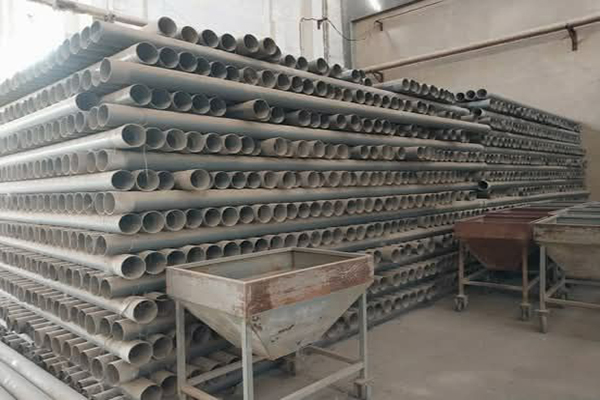
The Plastic Industries Committee of the Aleppo Chamber of Industry held its regular meeting today at the Chamber’s headquarters, attended by Ismail Haj Hamad, Deputy Chairman of the Aleppo Chamber of Industry, as part of ongoing efforts to support the national industrial sector and improve the production and business environment.
During the session, participants discussed the current state of the plastic industries in Aleppo province and the difficulties they face, including challenges in securing raw materials, rising production costs, and difficulties competing with imported products, in addition to obstacles related to marketing local products in domestic and foreign markets.
Industrialists unanimously emphasized the need to take effective measures to protect local production and encourage new investments in this vital sector, which plays an important role in supporting the national economy and providing numerous job opportunities.
A major challenge
Participants stressed that domestically produced plastic goods are of high quality and meet various needs of the local market. However, competition from imported goods sold at lower prices poses a serious challenge to local manufacturers, requiring a reassessment of customs policies to protect national production. In this context, attendees called for raising customs duties on imported plastic products that enter Syrian markets at prices lower than local production costs, as this harms the national industry and limits its ability to survive and compete.
Conversely, industrialists called for reducing customs duties on raw materials used in plastic manufacturing, since they constitute the foundation of the production process. Such a measure would reduce the cost of the final product and enhance its competitiveness in both domestic and international markets. The meeting also highlighted the need to facilitate the import process for these materials by simplifying administrative procedures and customs clearance.
A joint action plan
Participants also underlined the importance of opening up to foreign markets through active participation in regional and international specialized exhibitions. They affirmed that such participation offers great opportunities to promote the quality of Syrian products and open new export avenues that contribute to the growth of the industrial sector and strengthen the national economy’s foreign currency resources.
It was agreed to develop a joint action plan in cooperation with the Chamber of Industry to organize broader participation of industrial companies in these exhibitions in the coming period.
For his part, the Deputy Chairman of the Aleppo Chamber of Industry told Al-Thawra newspaper that the Chamber attaches special importance to the plastic industries sector, given its significant economic role, both in terms of added value and employment opportunities.
He explained that the Chamber, in coordination with the relevant authorities, is working to overcome the obstacles faced by industrialists — whether in energy supply, raw materials, or product marketing — in addition to continuously following up on issues related to customs fees and government support.
Requires close cooperation
The Deputy Chairman added that the coming phase requires close cooperation between the public and private sectors to strengthen domestic production and reduce dependence on imports. He noted that supporting manufacturing industries, such as plastics, contributes to achieving self-sufficiency in many sectors and reinforces the role of Syrian industry as a fundamental pillar of economic development.
The meeting concluded with participants reaffirming the importance of continued dialogue and coordination between industrialists, the Chamber, and official bodies to provide the necessary support for the national industry, ensure production continuity under current economic conditions, and build a strong industrial base that keeps pace with global developments in plastic manufacturing and environmental quality standards.
The participants also emphasized that Aleppo’s industrialists have demonstrated remarkable resilience and creativity over the past years and that supporting this vital sector means supporting the national economy as a whole. They expressed optimism that joint efforts will lead to tangible steps to improve the industrial reality and boost investor confidence in Syria’s business environment in general — and in Aleppo in particular — as the industrial capital of Syria and a symbol of production and innovation despite all challenges.