
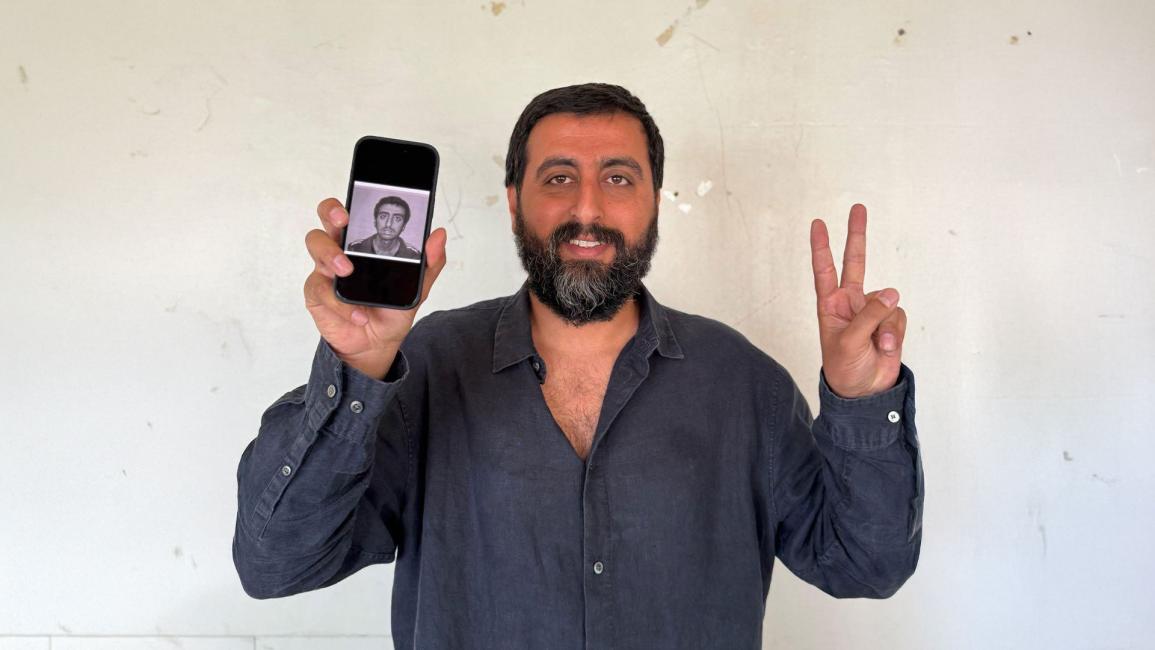
On Wednesday, 24 September 2025, Syrian authorities detained Amer Matar, a prominent journalist and human rights activist, at a border crossing with Lebanon—just days after the inauguration of the “Syrian Prisons Museum” in Damascus. The museum, housed within the National Museum, aims to document decades of abuses in Syrian detention centres through survivor testimonies, leaked official documents and interactive 3D exhibits. Matar’s arrest, followed by his release on bail the next day, has sparked widespread debate and reignited concerns over freedom of expression and the future of transitional justice in Syria.
Outrage Among Rights Groups
Matar, who co-founded and directed the museum, was apprehended at the Masnaa checkpoint while attempting to cross into Lebanon. A statement issued by the museum’s administration condemned the arrest as “unlawful,” holding the Ministry of Interior fully accountable for his safety and demanding his immediate release. The statement likened the arrest to the arbitrary detentions that characterised the regime of Bashar al-Assad.
Amro Khaito, the museum’s co-director, told Al-Araby Al-Jadeed that there was no information on which authority had carried out the arrest. “We demand his immediate release and the right to communicate with him, as a journalist who should be afforded legal representation,” Khaito said, reaffirming the museum’s commitment to operating within the bounds of the law.
A source close to Matar told Al-Araby Al-Jadeed that the detention might be linked to sensitive documents related to Sednaya Military Prison, which allegedly implicate the former regime in grave human rights violations. The source noted that Matar had spent the past 14 years gathering evidence of abuses in detention, with a view to future legal accountability. However, the precise reason for his arrest remained unconfirmed.
Hussam al-Din al-Jokhdar, a lawyer and expert in international law, stated that Matar’s detention—if carried out without a judicial warrant or specific charges—violated both Syrian law and international legal standards, including the International Covenant on Civil and Political Rights, to which Syria is a signatory. Jokhdar warned that withholding information about Matar’s whereabouts from his family and legal team constituted an enforced disappearance, a practice prohibited under international law. He further suggested the arrest may have been retaliatory, possibly linked to Matar’s testimony in the Koblenz trials against Syrian security officials—an act that, if true, would constitute a breach of the right to free expression and protection for human rights defenders.
Release on Bail and Official Justification
On Thursday, 25 September 2025, Syria’s Ministry of Interior announced Matar’s release on bail, stating that the investigation had concluded and that the documents in his possession did not justify continued detention. Ministry spokesperson Nour al-Din al-Baba told the state-run SANA news agency that Matar’s detention had been legal and based on information suggesting he was carrying official security documents acquired unlawfully. Al-Baba claimed that Matar had been summoned for questioning but attempted to exit the country before complying, prompting his arrest at the border.
The spokesperson emphasised that the steps taken were aimed at safeguarding official documents and denied that Matar had been targeted for his professional activities. He called on public figures and activists to liaise with the relevant authorities to avoid misunderstandings or the circulation of unfounded claims.
Museum Rebuts Government Account
The Syrian Prisons Museum swiftly rejected the Ministry’s version of events, calling the statement “inaccurate.” In a response issued on Thursday, the museum denied that Matar had received any formal summons prior to his arrest, alleging instead that he had been subjected to “security and financial extortion” by an individual claiming connections to the ministry. It also dismissed allegations that Matar had exploited sensitive documents for personal purposes, citing his long-standing and well-documented role as a witness in international proceedings against former Syrian officials.
The museum clarified that its work involved photographing and collecting scattered documents found near detention sites, rather than the illegal acquisition of official records. It renewed its call—made since the collapse of the Assad regime—for these materials to be transferred to the National Commission for the Missing, the official transitional body tasked with preserving evidence. The museum denounced all attempts to delegitimise Syrian journalists and human rights advocates, describing such efforts as “desperate attempts to obstruct transitional justice and deny victims’ families their right to the truth.”
A Beacon of Memory
The Syrian Prisons Museum, the first of its kind in the country, has documented 72 detention facilities through extensive interviews with hundreds of survivors, including 45 from Sednaya alone. In earlier remarks to Al-Araby Al-Jadeed, Matar stated that the museum’s mission was to preserve Syria’s collective memory by making its materials accessible to historians, human rights organisations and victims’ families—to promote justice and accountability and deter future violations. Using interactive 3D technology, the museum recreates prison cells and execution chambers, offering visitors an immersive and often harrowing insight into the experiences of detainees.
Wider Implications for Syria’s Future
Matar’s detention and subsequent release have intensified fears over the state of civil liberties in Syria—particularly as the museum’s work is focused on historical documentation, not political agitation. Human rights organisations have warned that the targeting of figures like Matar could jeopardise the fragile process of transitional justice and reflect a regression in the country’s human rights landscape.
As pressure mounts for a public apology and greater transparency from Syrian authorities, Matar’s case serves as a stark reminder of the precarious balance between national security and the rights of those documenting past atrocities. Despite the surrounding controversy, the Syrian Prisons Museum remains a vital initiative in ensuring the crimes of the past are neither denied nor repeated.
This article was translated and edited by The Syrian Observer. The Syrian Observer has not verified the content of this story. Responsibility for the information and views set out in this article lies entirely with the author.
