
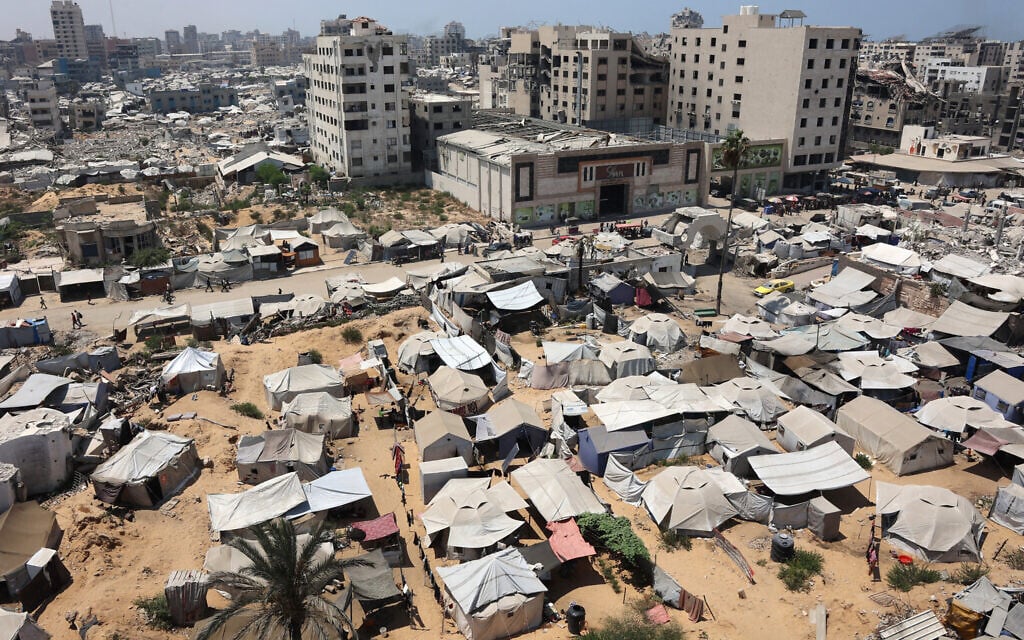
The United Nations and its humanitarian partners are intensifying efforts to address the escalating needs in Suweida and surrounding areas hosting displaced populations, following weeks of clashes that have severely impacted civilians and disrupted essential services, according to a statement by Adam Abdelmoula, the UN Resident and Humanitarian Coordinator for Syria, released on August 21, 2025.
During a visit to Suweida on August 20, Abdelmoula commended the Syrian government for facilitating the UN mission, which allowed direct assessments of the humanitarian situation through engagements with affected communities, local officials, and civil society organizations. The violence has displaced over 190,000 people, mostly within Suweida Governorate, with many seeking shelter in schools. This raises urgent concerns as the academic year nears, necessitating safe and dignified solutions to ensure children’s access to education.
The healthcare system in Suweida is under severe strain, with hospitals and clinics facing critical shortages of essential medications, including insulin, dialysis supplies, and cancer treatments. Medical staff are operating under challenging conditions and urgently require support to continue providing life-saving care.
“The humanitarian conditions in Suweida and displacement sites in Daraa and Rural Damascus are dire. Civilians have borne the brunt of the violence and urgently need support,” Abdelmoula said. He praised local civil society organizations for their critical role in supporting displaced and host communities, emphasizing the need for sustained resources to amplify their impact.
Local markets are grappling with severe shortages, with soaring prices for basic goods and long queues for fuel and essentials. Abdelmoula stressed that humanitarian aid alone cannot address these challenges, calling for the restoration of safe and reliable commercial supply chains to stabilize the situation and prevent further deterioration.
In collaboration with the Syrian Arab Red Crescent, the UN and its partners have delivered 12 aid convoys, providing life-saving assistance to over 300,000 people monthly. However, limited funding continues to constrain the response. The UN has urged donors to increase support to meet the pressing needs of Suweida and other affected areas across Syria.
The United Nations reaffirmed its commitment to working with all stakeholders to ensure sustained, principled delivery of humanitarian assistance to all communities in need.
For more information on the UN’s humanitarian activities, visit https://www.unocha.org/.
