
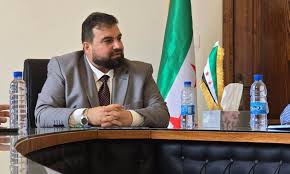
Governor Dr Mustafa al-Bakour has announced a comprehensive plan to address the displacement crisis in Suweida’s eastern countryside, aiming to restore infrastructure, facilitate the return of residents, and reinforce regional stability following months of unrest.
Plan Overview
The initiative centres on the rehabilitation of 16 villages in the province’s eastern region, with the goal of reducing pressure on overcrowded temporary shelters and establishing conditions conducive to voluntary repatriation. According to the governor, the plan prioritises essential services, reconciliation, and humanitarian coordination.
Village Rehabilitation and Repatriation
The restoration of 16 villages forms the cornerstone of the governor’s strategy. These efforts are intended to enable displaced residents to return home, easing the burden on emergency accommodations while laying the groundwork for long-term recovery.
Restoration of Essential Services
Addressing critical shortages of electricity and water—especially in the western countryside—is a central objective. Dr Bakour confirmed coordination with relevant ministries to mobilise the necessary resources, emphasising the urgency of restoring basic infrastructure.
Logistical and Humanitarian Support
To ensure the success of the plan, the governor outlined measures to facilitate the entry of commercial convoys and humanitarian aid into affected areas. The Syrian Arab Red Crescent is playing a key role in distributing essential medications, particularly for patients with cancer and diabetes. Transfers of critical patients to hospitals in Damascus are being arranged in collaboration with the Ministry of Health.
Community Reconciliation
The plan also includes a reconciliation initiative aimed at easing tensions between the Druze community and local tribal groups. A Justice Ministry investigative committee has been tasked with overseeing de-escalation efforts to foster local stability.
Denial of Blockade Claims
In response to widespread allegations of a blockade on Suweida, Dr Bakour dismissed the claims as baseless. He reaffirmed the government’s responsiveness to residents’ needs and stressed the effectiveness of locally-driven solutions over external proposals. The governor urged the public to focus on building trust between the province and the central authorities, rather than lending credence to unfounded rumours.
Challenges Ahead
Despite the ambitious scope of the initiative, several obstacles remain. Ongoing security tensions and sporadic clashes continue to hinder the safe return of residents. Additionally, the province is grappling with limited access to water, electricity, and other essential services. Many residents remain apprehensive about their safety due to the region’s volatile conditions.
Humanitarian Efforts and Support
The Syrian Arab Red Crescent is central to the success of the humanitarian aspects of the plan, particularly patient transfers and the distribution of medical supplies. Coordination with international humanitarian organisations is ongoing, with the goal of securing critical aid to address urgent medical needs.
Governor’s Remarks
Dr Bakour commended the efforts of local committees, residents, and the Red Crescent for their response to the crisis. He highlighted the importance of continued collaboration with local stakeholders to maintain service continuity and enhance public confidence in the rehabilitation process.
With more than 80,000 people displaced by recent violence, the governor’s plan aims to stabilise Suweida through coordinated recovery efforts, infrastructure repair, and improved access to basic services—reinforcing the province’s unity within the broader Syrian state.
This article was translated and edited by The Syrian Observer. The Syrian Observer has not verified the content of this story. Responsibility for the information and views set out in this article lies entirely with the author.