
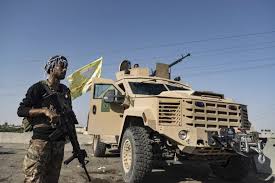
In post-Assad Syria, the Kurdish-led Syrian Democratic Forces (SDF) have shifted from cautious compromise to bold demands, openly pressing for federalism and constitutional recognition of Kurdish rights. This rhetorical pivot threatens to unravel the March 2025 pact with Damascus and risks reigniting conflict in the northeast, where oil, U.S. troops, and rival regional agendas converge.
From Compromise to Confrontation
The March 10 agreement between SDF commander Mazloum Abdi and interim president Ahmad al-Sharaa promised integration of SDF structures into state institutions and minority protections. Initially hailed as a breakthrough, it soon stalled: Damascus rejected decentralisation, while the SDF accused the government of stalling trust-building measures.
Recent statements mark a dramatic turn. Abdi insists Syria is “not just Arab,” Saleh Muslim rejects any imposed conditions, and Ilham Ahmad calls for a “new social contract” privileging local communities. Syrian officials, in turn, denounce the SDF for sabotaging unity and repeat demands for full disarmament. Turkey, meanwhile, warns of intervention if the SDF clings to autonomy.
U.S. Reassurances and New Confidence
The shift comes amid reinforced U.S. backing. On September 4–5, CENTCOM chief Admiral Brad Cooper met Abdi in northeast Syria, reaffirming the partnership against ISIS and visiting the al-Hol camp, still a tinderbox of extremism. Washington’s envoy Tom Barrack has floated alternatives to centralisation, short of outright federalism, but the message has emboldened the SDF.
Damascus and Ankara see in this a U.S.-sponsored wedge: a Kurdish protectorate by another name.
Turkey’s Dilemma and the Barzani Precedent
Contacts between the SDF and Ankara suggest a tentative thaw, reminiscent of Turkey’s pivot toward Masoud Barzani’s Kurdistan Regional Government. Turkish officials have quietly engaged Abdi, while Kurdish leaders explore coordination. Yet mistrust runs deep, and Turkey’s 30-day ultimatum to the SDF underscores how fragile any dialogue remains.
For Ankara, co-opting Syrian Kurds could defuse tensions with the PKK, blunt Israeli influence in Syria, and limit Russian overtures. But history counsels caution: Kurdish alliances have rarely proved durable.
A Fragile Crossroads
With year’s end set as the deadline for the March accord, the stakes are rising. Damascus clings to centralisation, the SDF insists on autonomy, and external players — from Israel to Russia — exploit the gap. Analysts warn that absent compromise, Syria’s northeast could slide back into violence.
As one observer noted, invoking King Tigranes: reliance on foreign protectors may feel like a silk rope — until it tightens into a noose.
This article was translated and edited by The Syrian Observer. The Syrian Observer has not verified the content of this story. Responsibility for the information and views set out in this article lies entirely with the author.
