
Tensions between the Syrian government and the Syrian Democratic Forces (SDF) continue to rise, with each side issuing conflicting statements over alleged clashes in northern Syria.
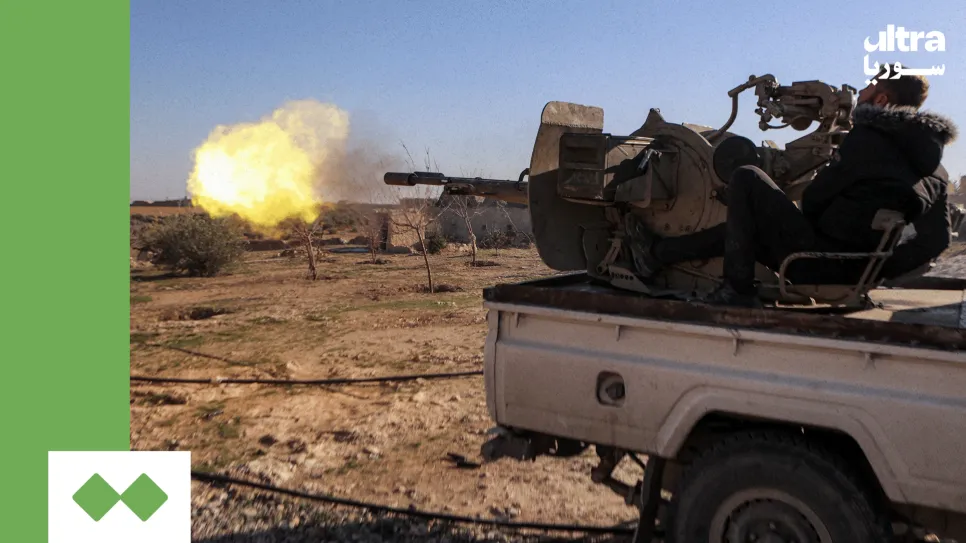
The official Syrian Arab News Agency (SANA) reported on Sunday that a Syrian army unit repelled an infiltration attempt by SDF fighters near the village of Tel Ma’az, east of Aleppo. According to a military source, the attackers were caught in an ambush, prompting further skirmishes when additional SDF units from nearby Um Tina village and Deir Hafer attempted to rescue their encircled comrades. The source claimed the confrontation escalated from small-arms fire to heavy weapons, forcing the army to deploy reinforcements.
The SDF’s media center flatly rejected the account, calling it “entirely fabricated claims and mere media misinformation.” It insisted that SDF units “did not carry out any attacks and have not engaged in any clashes in recent days.” Instead, the group suggested the violence stemmed from “internal disputes over influence among factions loyal to Damascus,” later exaggerated in official narratives.
Amid the exchange of accusations, Sipan Hamo, a senior SDF commander and overall leader of the Kurdish People’s Protection Units (YPG), accused the Syrian government of undermining the March 10 agreement reached between President Ahmad al-Sharaa and SDF commander Mazloum Abdi. In an interview with a Kurdish outlet, Hamo said the SDF would not integrate into the Syrian army unless Damascus amended laws and adopted democratic reforms.
“The government is not in a position to embrace the entire society,” he argued, stressing that genuine integration remains out of reach as long as Damascus monopolizes decision-making and excludes other communities.
Hamo also underscored Turkey’s role in shaping Syria’s future, stressing that the SDF poses no threat to Ankara. “If Turkey seeks peace and stability in Syria, that will form the foundation for Turkey’s security as well,” he said. “It should not view the Kurds as a threat but as essential partners in Syria’s democratization.”
He reiterated that the SDF would not accept a return to pre-2024 governance structures, reaffirming its commitment to building a decentralized, democratic, and pluralistic state.
This article was translated and edited by The Syrian Observer. The Syrian Observer has not verified the content of this story. Responsibility for the information and views set out in this article lies entirely with the author.