
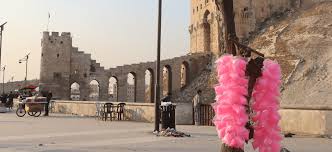
For many returning to Aleppo after years of displacement, the journey through the Bab al-Salama crossing last March was laced with both hope and heartbreak. The biting cold mirrored the stark reality that awaited them, as Syrian journalist Mohammad Baro reflects in a vivid account of the city’s post-Assad condition.
A City of Contrasts
Upon entering Syria, Baro describes a warm welcome from locals—a striking contrast to the fear and repression that defined more than five decades of Assad rule. Yet the genuine smiles could not conceal the devastation scarring Aleppo’s landscape. Shattered neighbourhoods, reduced to rubble and skeletal remains, bear silent witness to years of unrelenting conflict. Along the route to Aleppo, detours were necessary to avoid sniper fire that still targets main roads—an ominous reminder that, despite the regime’s fall, danger has not vanished.
On the city’s outskirts, homes and shops have been stripped of nearly everything—from Aleppo’s iconic yellow stones to electrical wiring, water pipes, windows, doors, and even bathroom fittings. Baro offers a grim portrayal of a city ravaged not only by war, but by systematic looting, leaving behind a hollow echo of its former splendour.
A Glimmer of Hope Amid Scarcity
In central Aleppo, life stirs with cautious optimism. Streets hum with activity as Turkish goods flood the markets, untaxed and duty-free, bringing a rare abundance after years of deprivation. Colourful wares line the pavements—a sight not seen for decades—though the lack of disposable income keeps many from partaking. Locals express a resigned pragmatism, captured in the Aleppan proverb: “The camel costs a penny, but there’s no penny to spare.” Essentials such as fuel remain scarce and costly, with households making do with makeshift repairs—cardboard or tin sheets replacing shattered windows, and decade-old unwashed carpets enduring in the absence of running water.
Despite poverty, glimpses of joy flicker in the expressions of Aleppans—relief and disbelief intertwined at the sudden availability of goods. Yet this influx has sparked concern among local industrialists. Baro notes their frustration at the appointment of patriotic yet inexperienced individuals to lead the Chamber of Industry—undermining an institution built on decades of expertise. The flood of inexpensive imports has overwhelmed warehouses, left stock unsold, delayed wages, and compounded by soaring energy costs, rendered local production uncompetitive.
Stories of Survival and Sorrow
In Aleppo, conversations teem with emotion—tragedy interwoven with dark, surreal humour. Baro recounts encounters with survivors whose tales stretch credulity: one mother recalls a barrel bomb that killed her eldest daughter while she clutched the other, her voice trembling with both grief and gratitude. In cafés, residents analyse their plight with a passion that suggests each story is unique, unaware of the collective pain they share. Laughter and tears mix freely in a surreal tableau, one that outsiders often find hard to comprehend. Every household bears scars—whether from the loss of loved ones, migration, disability, or imprisonment.
Former detainees, their frail frames and haunted expressions betraying years of torment, struggle to articulate their ordeals. Fear persists in their hesitant speech, cautious of being doubted, their tales of survival from “hellish straits” too extraordinary for easy belief. Baro reflects on the difference between hearing these stories from afar and witnessing the anguish firsthand—the pain etched into every glance and gesture.
A Fractured Public Sphere
Baro highlights the contrast between the vitriolic, polarised debates raging on social media and the pressing concerns of Aleppo’s residents, who are focused on earning a living, securing food and medicine, ensuring electricity and water, and obtaining education for their children. The ideological skirmishes of the post-conflict era seem distant to those grappling with daily survival.
Syria’s transition remains deeply complex, weighed down by the Assad regime’s brutal legacy. Baro draws comparisons with post-conflict transitions in Chile, Rwanda, and South Africa—societies that also faced the immense task of rebuilding after systemic trauma. Aleppans oscillate between satisfaction and despair, their expectations tethered to the stark reality of a city still in ruins.
Looking Forward
Returning to Aleppo is a journey marked by contradiction—euphoria at liberation coupled with the heavy burden of loss and the daunting challenge of reconstruction. Baro’s account captures a city suspended between freedom and devastation, where resilience and shared narratives of survival offer a fragile, yet vital, foundation for hope.
This article was translated and edited by The Syrian Observer. The Syrian Observer has not verified the content of this story. Responsibility for the information and views set out in this article lies entirely with the author.